



Featured Pathways

More pathways

Banking Essentials - Part I

This pathway will walk us through the basics of banks, starting with some of the different types and their main functions, then starting to look at the regulation faced by the banks, both before and after the Global Financial Crisis.

Greenwashing

Greenwashing is the act of distributing false information about something being more environmentally friendly than it actually is.

More pathways

Book a demo

Ready to get started?

Plans & Membership

Our Platform

Expert led content

+1,000 expert presented, on-demand video modules

Learning analytics

Keep track of learning progress with our comprehensive data

Interactive learning

Engage with our video hotspots and knowledge check-ins

Testing & certification

Gain CPD / CPE credits and professional certification

Managed learning

Build, scale and manage your organisation’s learning

Integrations

Connect Finance Unlocked to your current platform

Featured Content

More featured content

Tackling the Cost of Living Crisis

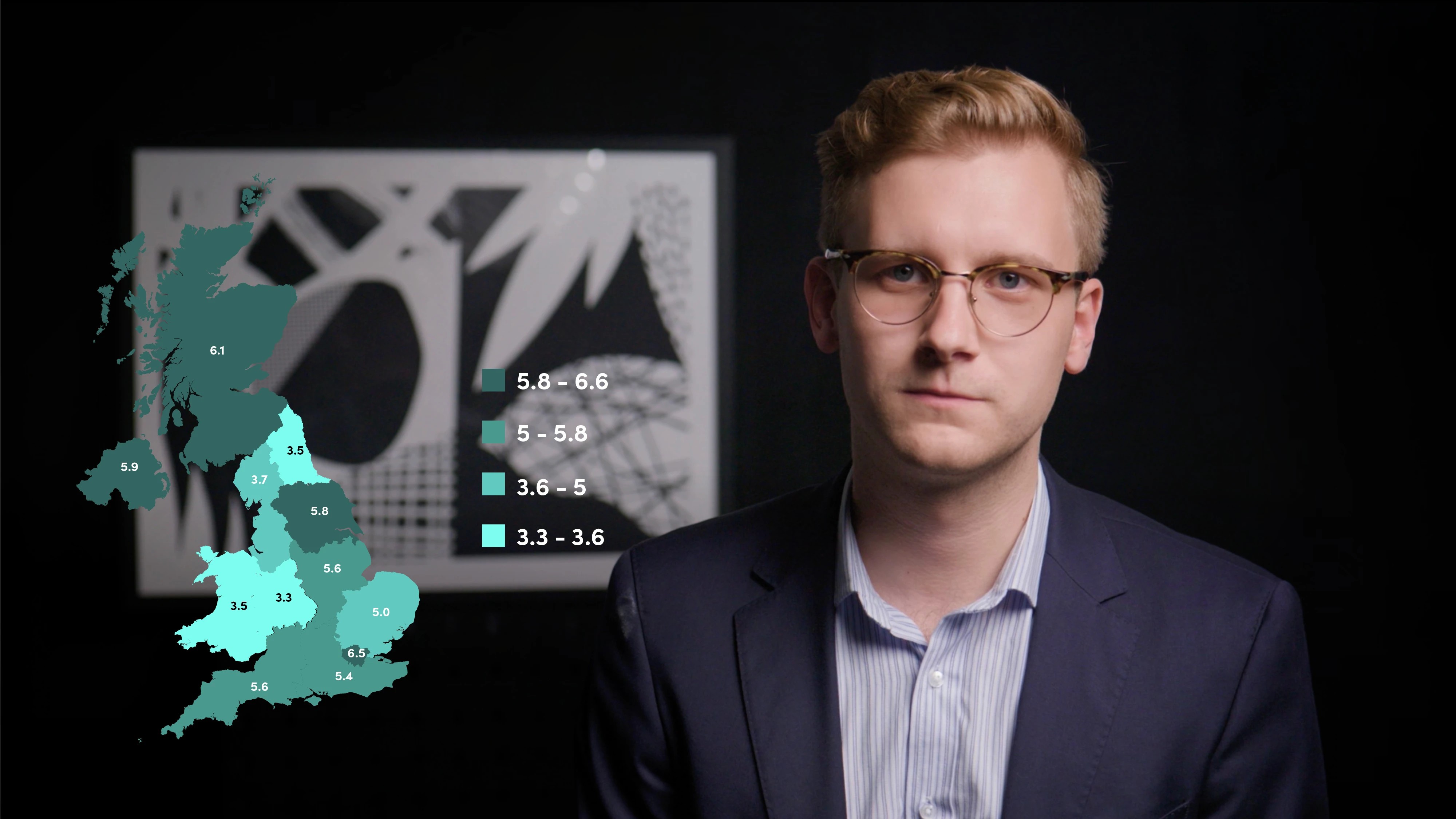
In this video, Max discusses the cost-of-living crisis currently enveloping the UK. He examines its impact on households as well as the overall economy.

Introduction to Corporate Valuation

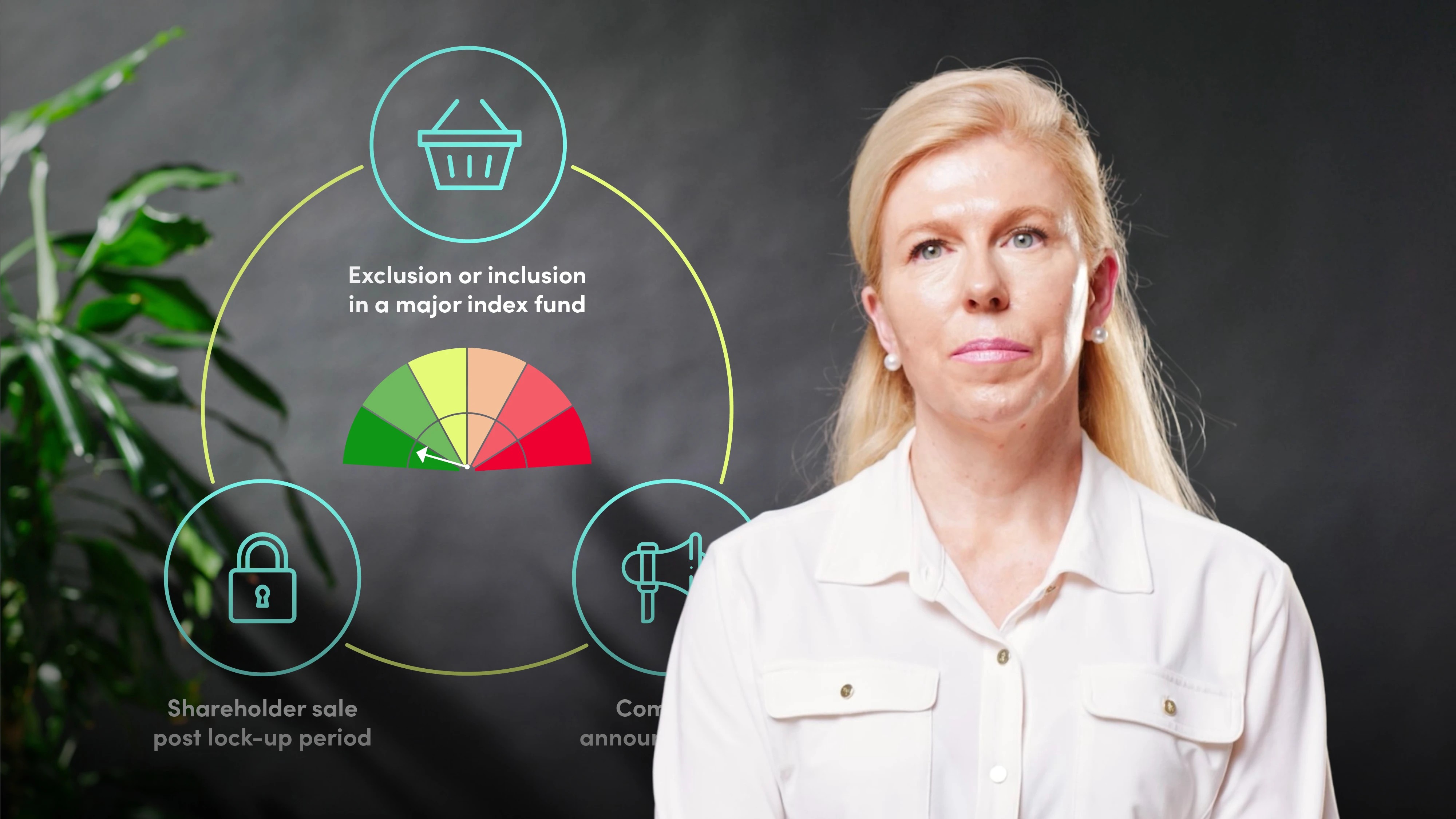
In this video on Corporate Valuation, Sarah Martin covers the basic background to corporate valuations, who uses them, why they are needed and also outlines the factors that impact valuation.

More featured content

Book a demo

Ready to get started?

Book a demo

Ready to get started?

Transition Bonds to Decarbonise Hard-to-Abate Sectors

Transition Bonds to Decarbonise Hard-to-Abate Sectors

Matthew MacGeoch

Sustainable Finance Expert

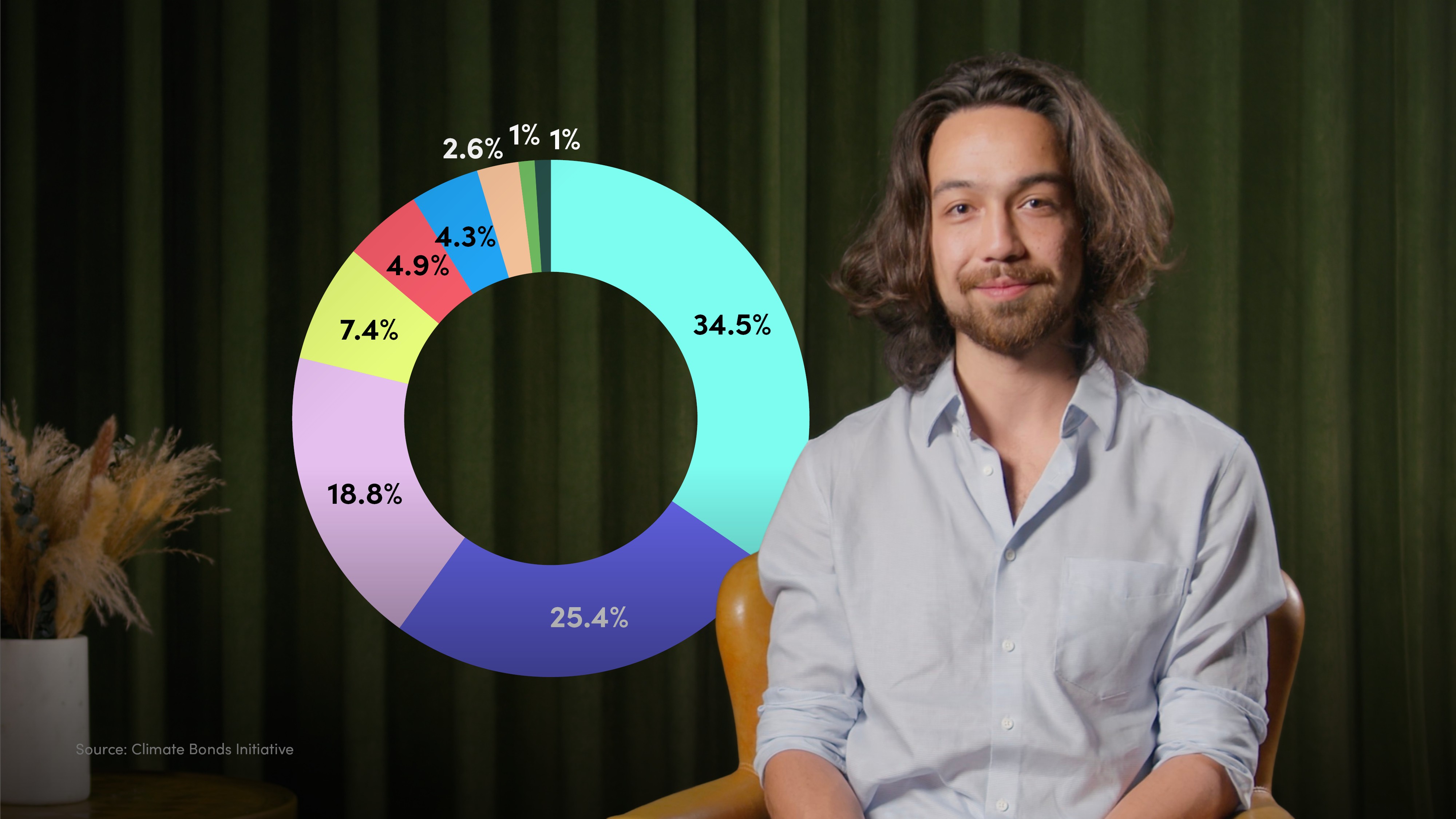
In this video, Matthew explores the challenges of decarbonising hard-to-abate sectors like steel, cement, and chemicals. He explains why these industries face unique barriers to reducing emissions and how transition finance plays a critical role in funding their shift to low-carbon technologies.

Foundational

In this video, Matthew explores the challenges of decarbonising hard-to-abate sectors like steel, cement, and chemicals. He explains why these industries face unique barriers to reducing emissions and how transition finance plays a critical role in funding their shift to low-carbon technologies.

Subscribe to watch

Access this and all of the content on our platform by signing up for a 7-day free trial.

Transition Bonds to Decarbonise Hard-to-Abate Sectors

4 mins 44 secs

Key learning objectives:

  • Understand what makes a sector hard-to-abate and why these industries are critical to net zero

  • Recognise the role of transition finance and green bonds in financing heavy industry decarbonisation

  • Assess how Climate Bonds Initiative’s criteria ensures credibility in financing decarbonisation

Overview:

Decarbonising hard-to-abate sectors like steel, cement, and chemicals is essential but challenging due to high capital costs and long asset lifetimes. Transition finance is crucial in funding these industries, alongside evolving regulatory guidance and policy support. Innovative solutions, such as electric arc furnaces and sustainable debt markets, help drive emissions reductions. Clear transition plans and credible financing frameworks ensure investor confidence and accelerate progress towards net zero, making these industries more resilient while supporting global climate goals.

Subscribe to watch

Access this and all of the content on our platform by signing up for a 7-day free trial.

Summary
What are hard-to-abate sectors, and why are they difficult to decarbonise?

Hard-to-abate sectors include steel, cement, chemicals, aviation, and shipping, which face significant technological, financial, and operational barriers to decarbonisation. These industries rely on high-temperature processes, fossil fuel feedstocks, and long investment cycles, making it difficult to switch to low-carbon alternatives without major capital expenditure. Unlike sectors that can transition by simply adopting renewable energy, hard-to-abate industries require fundamental shifts in production methods, infrastructure, and supply chains.

For example, the cement industry emits CO₂ not only from energy use but also through chemical reactions in clinker production, making emissions reduction particularly complex. Similarly, steel production relies on coal-based blast furnaces, which have lifetimes spanning decades, limiting the pace at which new, cleaner technologies can be deployed. Overcoming these challenges requires long-term investment, technological innovation, and financial incentives to make decarbonisation economically viable.

How does transition finance support decarbonisation in hard-to-abate sectors?

Transition finance helps high-emission industries like steel, cement, and chemicals secure capital for low-carbon technologies. Unlike traditional green finance, which funds already sustainable projects, transition finance supports sectors that need major operational shifts to reach net zero.

Historically, heavy industries were seen as too risky for sustainable finance, but regulatory developments and investor demand are changing that. In 2024, steelmaker POSCO issued a $500 million green bond to fund electric arc furnaces and blast furnace upgrades, aligned with Climate Bonds Initiative’s criteria.

To reinforce credibility, organisations like Climate Bonds Initiative set sector-specific standards, ensuring funding supports genuine decarbonisation. Policy support is also key to attracting private investment and accelerating the transition.

What role does Climate Bonds Initiative play in ensuring credible financing?

The Climate Bonds Initiative develops certification criteria for green bonds, ensuring investments align with real emissions reductions. It provides technical assistance, market monitoring, and credibility standards, helping capital flow to projects that truly support decarbonisation.

Subscribe to watch

Access this and all of the content on our platform by signing up for a 7-day free trial.

Matthew MacGeoch

Matthew MacGeoch

Matthew MacGeoch is a Senior Research Analyst at Climate Bonds' Research Team, specialising in transition plans, transition finance, and hard-to-abate sectors. He has led the development of Climate Bonds' SLB dataset and methodology, and has since developed their transition plan monitor. He has experience from the UN Department for Economic and Social Affairs, the Oxford Institute for Sustainable Development, and the Oxford Silk Road Society Think tank. He has also worked at the Afghanistan and Central Asian Association and Lafiya Nigeria, focusing on social issues.

There are no available Videos from "Matthew MacGeoch"