
Featured Pathways

More pathways

Banking Essentials - Part I

This pathway will walk us through the basics of banks, starting with some of the different types and their main functions, then starting to look at the regulation faced by the banks, both before and after the Global Financial Crisis.

Greenwashing

Greenwashing is the act of distributing false information about something being more environmentally friendly than it actually is.

More pathways

Book a demo

Ready to get started?

Plans & Membership

Our Platform

Expert led content

+1,000 expert presented, on-demand video modules

Learning analytics

Keep track of learning progress with our comprehensive data

Interactive learning

Engage with our video hotspots and knowledge check-ins

Testing & certification

Gain CPD / CPE credits and professional certification

Managed learning

Build, scale and manage your organisation’s learning

Integrations

Connect Finance Unlocked to your current platform

Featured Content

More featured content

Tackling the Cost of Living Crisis

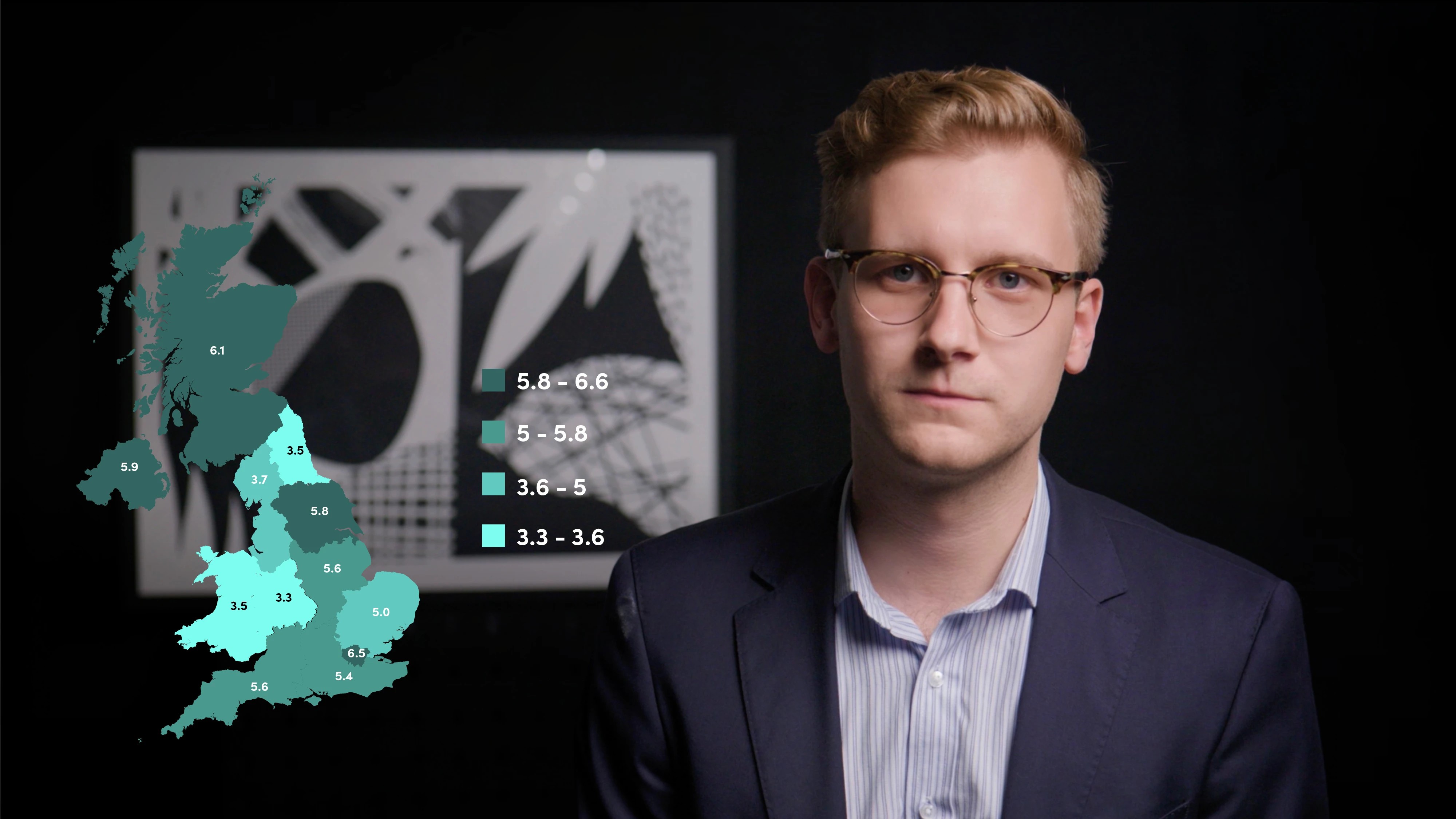
In this video, Max discusses the cost-of-living crisis currently enveloping the UK. He examines its impact on households as well as the overall economy.

Introduction to Corporate Valuation

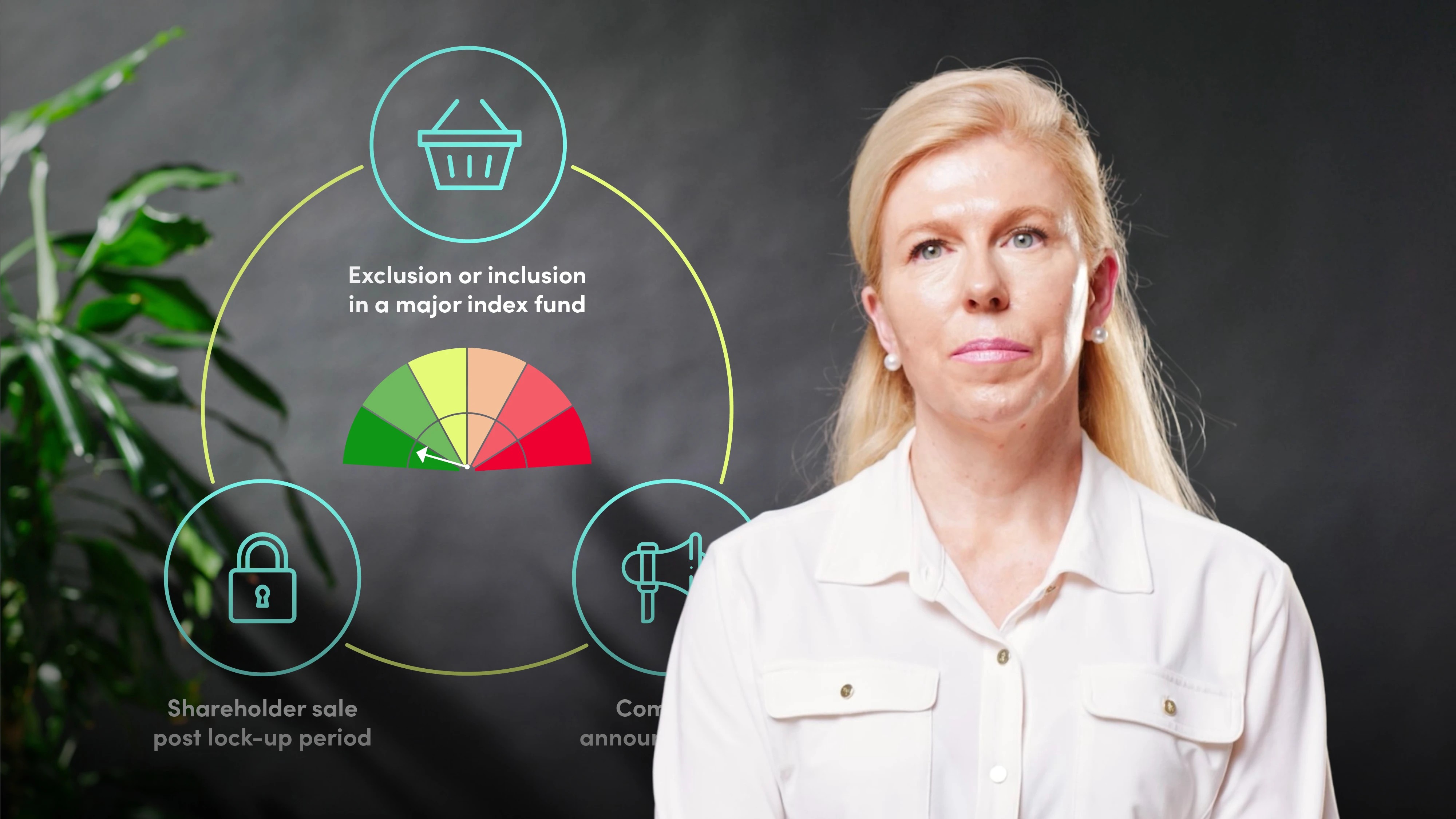
In this video on Corporate Valuation, Sarah Martin covers the basic background to corporate valuations, who uses them, why they are needed and also outlines the factors that impact valuation.

More featured content

Book a demo

Ready to get started?

Book a demo

Ready to get started?

Business Cycle

Business Cycle

Business Cycle

The business cycle describes fluctuations in economic activity over time, as periods of stronger growth are followed by periods of slower growth or contraction. Although the length and severity of each cycle varies, economists often describe the business cycle using four broad stages: expansion, peak, contraction and trough.

What are the stages of the business cycle?

  • Expansion: economic output rises, employment generally increases and businesses tend to invest and produce more.
  • Peak: economic activity reaches a high point before growth begins to weaken.
  • Contraction: economic activity slows or declines. Business investment, spending and employment may weaken.
  • Trough: activity reaches a low point before the economy begins to recover.
A renewed period of growth following a downturn is commonly described as a recovery.

Business cycles do not follow a fixed schedule, and different parts of the economy may move at different speeds. Economists therefore use a range of indicators, including GDP, employment, industrial production, consumer spending and business surveys, to judge where the economy may be in the cycle.

Related terms