





Featured Pathways

More pathways

Banking Essentials - Part I

This pathway will walk us through the basics of banks, starting with some of the different types and their main functions, then starting to look at the regulation faced by the banks, both before and after the Global Financial Crisis.

Greenwashing

Greenwashing is the act of distributing false information about something being more environmentally friendly than it actually is.

More pathways

Book a demo

Ready to get started?

Plans & Membership

Our Platform

Expert led content

+1,000 expert presented, on-demand video modules

Learning analytics

Keep track of learning progress with our comprehensive data

Interactive learning

Engage with our video hotspots and knowledge check-ins

Testing & certification

Gain CPD / CPE credits and professional certification

Managed learning

Build, scale and manage your organisation’s learning

Integrations

Connect Finance Unlocked to your current platform

Featured Content

More featured content

Tackling the Cost of Living Crisis

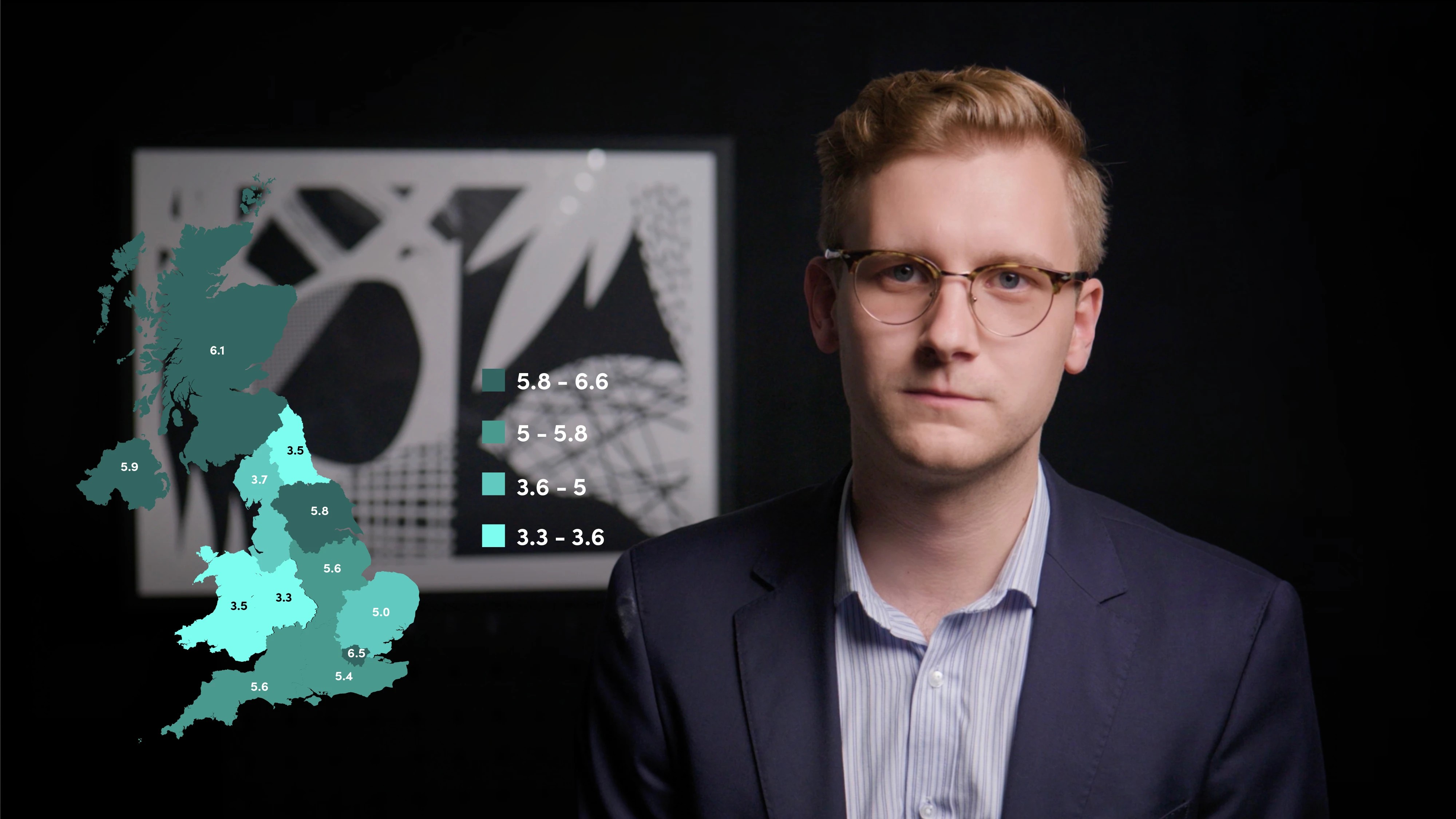
In this video, Max discusses the cost-of-living crisis currently enveloping the UK. He examines its impact on households as well as the overall economy.

Introduction to Corporate Valuation

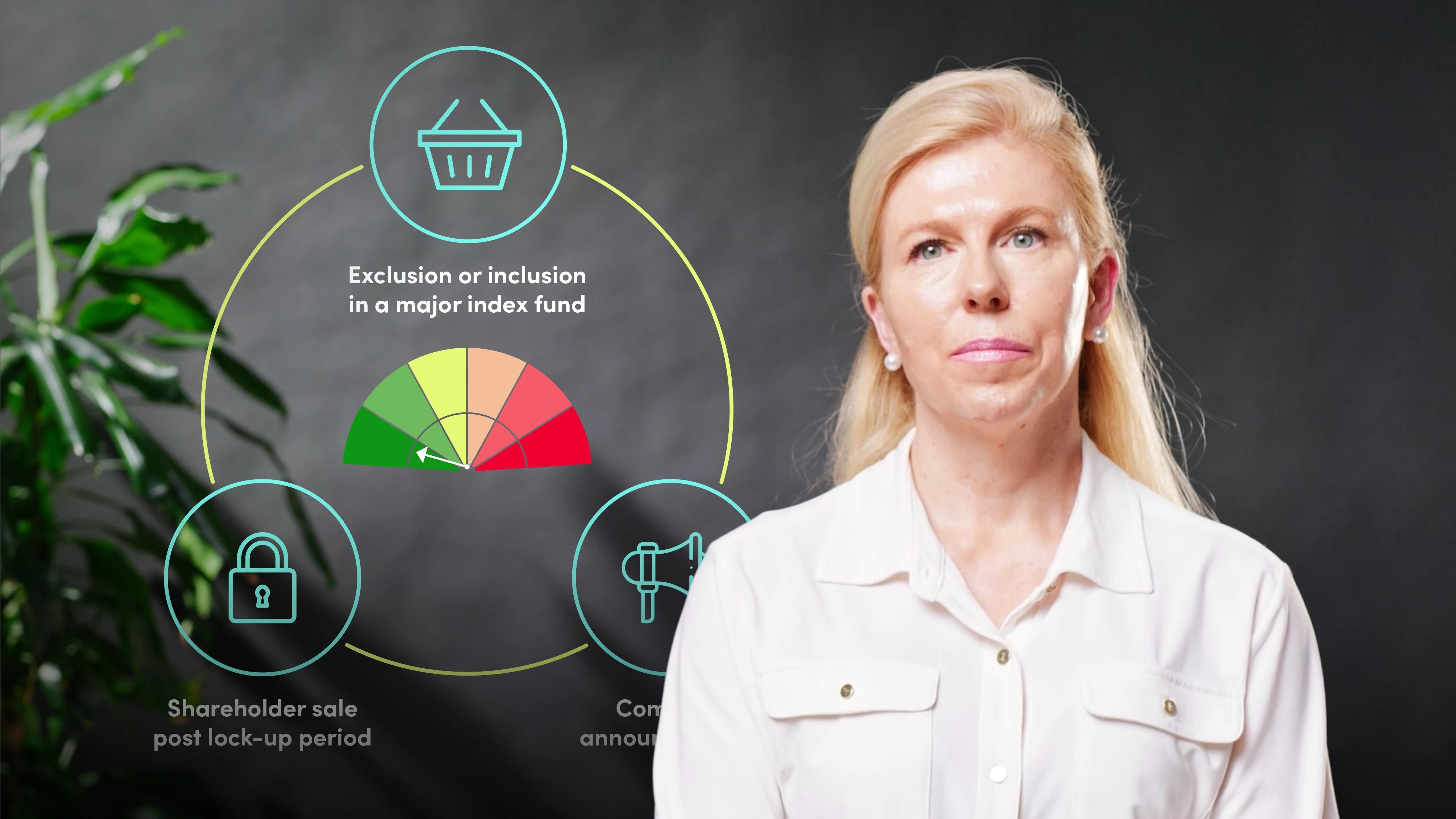
In this video on Corporate Valuation, Sarah Martin covers the basic background to corporate valuations, who uses them, why they are needed and also outlines the factors that impact valuation.

More featured content

Book a demo

Ready to get started?

Featured Pathways

More pathways

Banking Essentials - Part I

This pathway will walk us through the basics of banks, starting with some of the different types and their main functions, then starting to look at the regulation faced by the banks, both before and after the Global Financial Crisis.

Greenwashing

Greenwashing is the act of distributing false information about something being more environmentally friendly than it actually is.

More pathways

Book a demo

Ready to get started?

Plans & Membership

Our Platform

Expert led content

+1,000 expert presented, on-demand video modules

Learning analytics

Keep track of learning progress with our comprehensive data

Interactive learning

Engage with our video hotspots and knowledge check-ins

Testing & certification

Gain CPD / CPE credits and professional certification

Managed learning

Build, scale and manage your organisation’s learning

Integrations

Connect Finance Unlocked to your current platform

Featured Content

More featured content

Tackling the Cost of Living Crisis

In this video, Max discusses the cost-of-living crisis currently enveloping the UK. He examines its impact on households as well as the overall economy.

Introduction to Corporate Valuation

In this video on Corporate Valuation, Sarah Martin covers the basic background to corporate valuations, who uses them, why they are needed and also outlines the factors that impact valuation.

More featured content

Book a demo

Ready to get started?

Book a demo

Ready to get started?

Digital assets

Digital assets

Glossary

Digital assets

Reviewed by Jack Shrimpton, Senior Finance Content and Production Manager at xUnlocked · Last updated August 2026 Digital assets are assets, or digital representations of value or rights, that can be stored and transferred electronically. In financial services, the term is often used more narrowly for assets issued, recorded or transferred using blockchain or other distributed ledger technology. The category includes cryptoassets such as bitcoin and ether, stablecoins, tokenised deposits, central bank digital currencies and tokenised versions of traditional assets such as bonds, funds and real estate. The term is used differently across markets and jurisdictions, so “digital asset” and “cryptoasset” are not always interchangeable. The sector has grown substantially, with banks, asset managers and financial-market infrastructures exploring digital assets for payments, settlement, collateral management and the tokenisation of conventional financial instruments.

What are the main categories of digital assets?

  • Native or unbacked cryptoassets. Native digital currencies like Bitcoin and Ether that exist on their own blockchain networks, without being pegged to any external asset or backed by an issuing institution.
  • Stablecoins. Digital tokens designed to hold a stable value, usually pegged 1:1 to a fiat currency like the US dollar and backed by reserves. They're the most heavily used digital asset category for actual payments and settlement, precisely because they're built to avoid the price volatility associated with cryptocurrencies.
  • Tokenised real-world assets (RWAs). Ownership interests, rights or claims associated with traditional assets, such as bonds, funds, private credit and real estate, represented as digital tokens, enabling faster settlement, fractional ownership, automation and extended operating hours where the necessary legal arrangements, infrastructure and liquidity are in place.
  • Tokenised deposits. Commercial bank deposit claims represented on a programmable or tokenised ledger. Like conventional deposits, they remain liabilities of the issuing bank.
  • Central bank digital currencies (CBDCs). Digital forms of a country's official currency, issued and backed directly by its central bank. They may be designed for use by the public, financial institutions or both, with their design and legal status varying by jurisdiction.
  • Non-fungible tokens (NFTs). Individually identifiable digital tokens associated with a particular digital or physical item. Holding an NFT does not necessarily confer ownership of the underlying asset or its intellectual property.


What are the main challenges and risks around digital assets?

  • Regulatory fragmentation. Rules differ significantly by jurisdiction and are still evolving.  The EU's Markets in Crypto-Assets (MiCA) applies to certain cryptoassets and service providers, while tokenised securities may remain subject to existing financial-services legislation.
  • Custody and security. Digital assets require fundamentally different custody arrangements than traditional securities, and the sector's history of exchange failures and hacks has made robust, regulated custody a central concern for institutional adoption.
  • Volatility (for unbacked assets) and market risk. Cryptocurrencies without a stabilising mechanism can see large price swings, which is precisely why stablecoins and tokenised RWAs, rather than speculative cryptocurrencies, have become the entry point for most institutional use cases.
  • Legal and technology risk. The rights attached to a token may be unclear or difficult to enforce. Coding errors, compromised keys, cyberattacks and failures involving blockchains, smart contracts or external data feeds can also cause losses or disruption.
  • Liquidity and interoperability. Tokenised assets issued on different networks may not work easily together, while some markets have limited secondary trading. Tokenisation does not automatically create demand or liquidity.
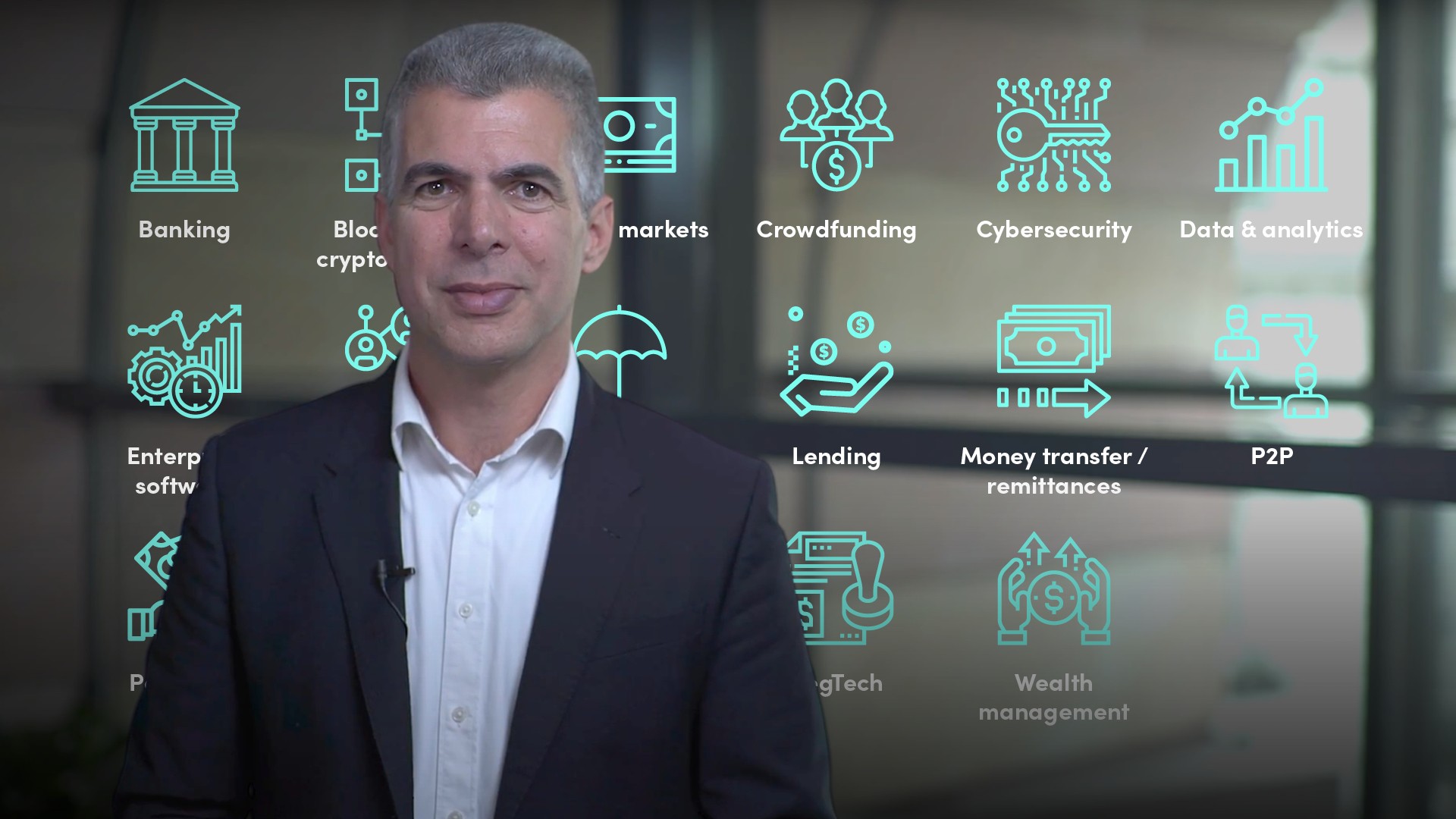
For a broader look at how technology is reshaping financial services more generally — the regulatory backdrop, and other fintech applications alongside digital assets — see Introduction to Fintech, a video module presented by Nir Vulkan, Fintech and Algorithmic Trading Specialist at Oxford Saïd Business School.

Frequently asked questions

What's the difference between a cryptocurrency and a stablecoin?
A cryptocurrency like Bitcoin has no peg to an external asset, so its price is set entirely by market supply and demand and can be highly volatile. A stablecoin is designed to maintain a stable value, usually by being pegged to a fiat currency like the US dollar and backed by reserves of cash or cash-equivalent assets. Their relative stability has made them widely used within cryptoasset markets and increasingly relevant to payments and settlement, although they can still lose their peg.

What does "tokenisation" mean in finance?
Tokenisation is the process of representing ownership of a real-world or financial asset, a bond, a fund, a piece of property, as a digital token on a blockchain. The underlying asset itself doesn't change; what changes is how ownership is recorded and transferred, which can enable faster settlement, fractional ownership and broader access compared with traditional paper-based or centrally-recorded ownership systems.

Are digital assets regulated?
Increasingly, yes, though the picture varies significantly by jurisdiction and asset type. Frameworks like the EU's Markets in Crypto-Assets (MiCA) regulation set rules for crypto-asset issuers and service providers, and many countries have introduced or are developing specific rules for stablecoins given their growing role in payments. Regulation is generally most developed for stablecoins and exchanges, and least developed for newer categories like tokenised RWAs, which mostly rely on existing securities law being adapted rather than purpose-built frameworks.

Related terms

Related Video Modules