





Featured Pathways

More pathways

Banking Essentials - Part I

This pathway will walk us through the basics of banks, starting with some of the different types and their main functions, then starting to look at the regulation faced by the banks, both before and after the Global Financial Crisis.

Greenwashing

Greenwashing is the act of distributing false information about something being more environmentally friendly than it actually is.

More pathways

Book a demo

Ready to get started?

Our Platform

Expert led content

+1,000 expert presented, on-demand video modules

Learning analytics

Keep track of learning progress with our comprehensive data

Interactive learning

Engage with our video hotspots and knowledge check-ins

Testing & certification

Gain CPD / CPE credits and professional certification

Managed learning

Build, scale and manage your organisation’s learning

Integrations

Connect Finance Unlocked to your current platform

Featured Content

More featured content

Tackling the Cost of Living Crisis

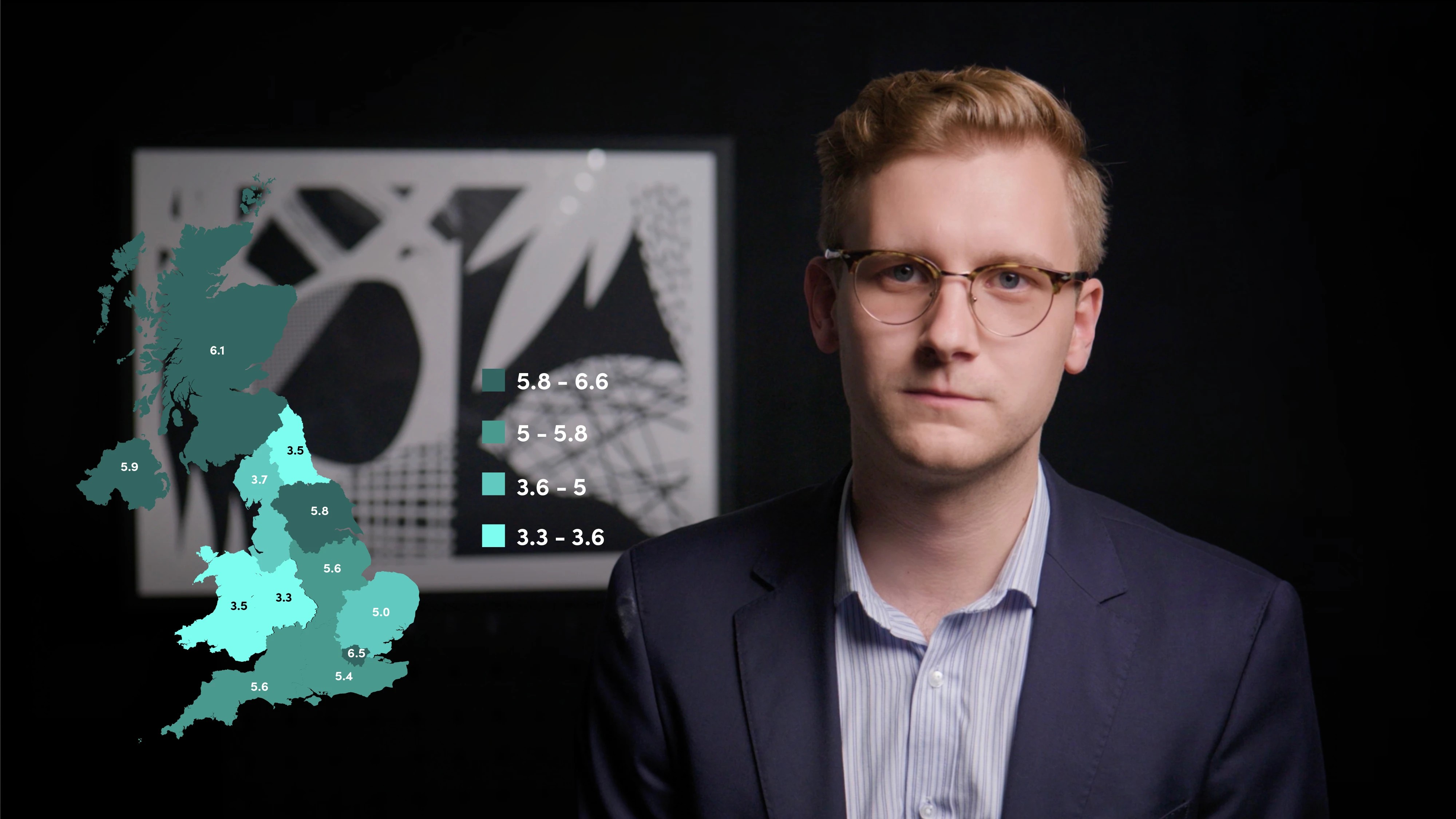
In this video, Max discusses the cost-of-living crisis currently enveloping the UK. He examines its impact on households as well as the overall economy.

CSR and Sustainability in Financial Services

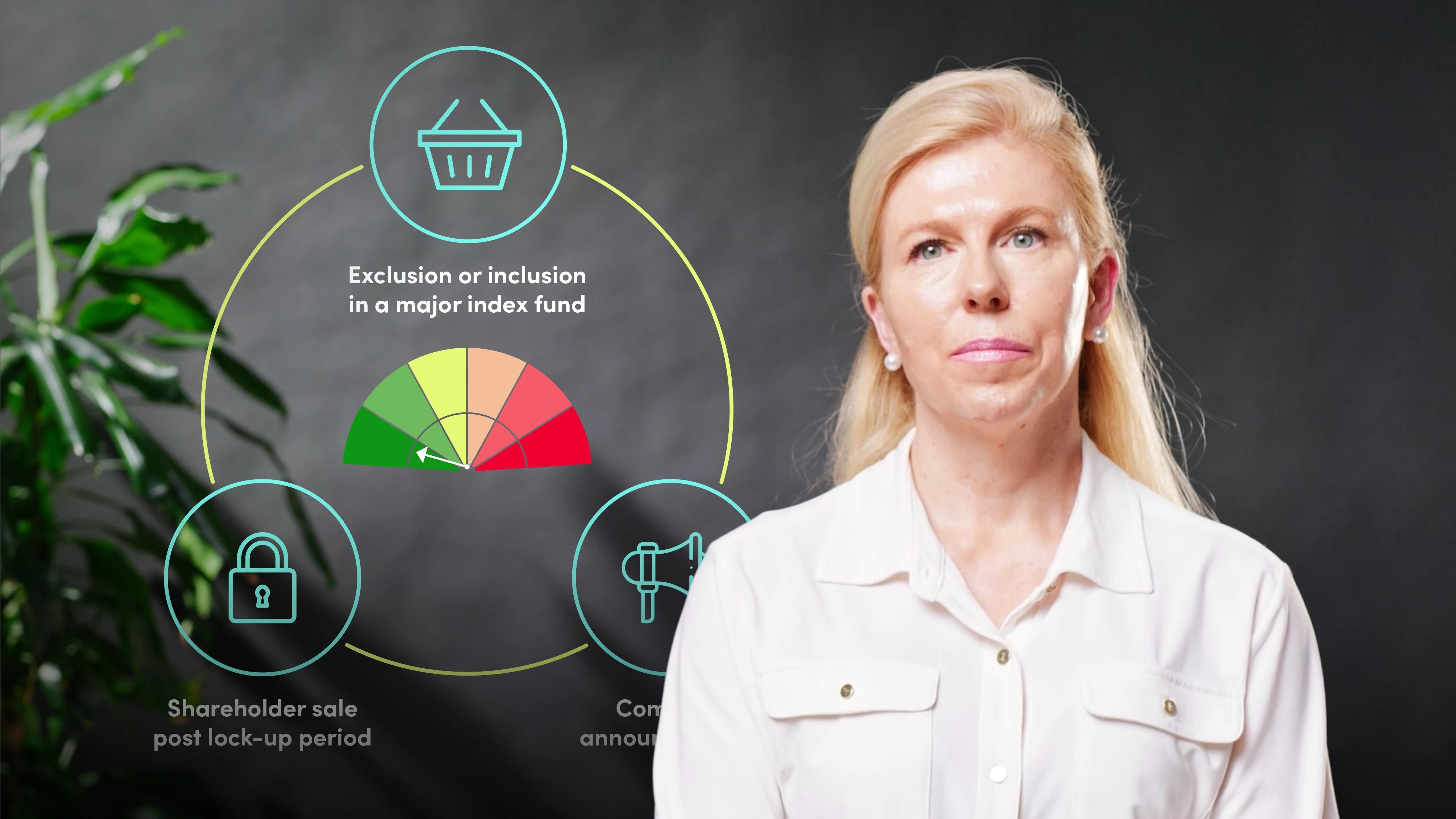
In the first video of this two-part video series, Elisa introduces us to sustainability. She begins by looking at the difference between sustainability and corporate social responsibility, two terms that can be easily confused.

More featured content

Book a demo

Ready to get started?

Featured Pathways

More pathways

Banking Essentials - Part I

This pathway will walk us through the basics of banks, starting with some of the different types and their main functions, then starting to look at the regulation faced by the banks, both before and after the Global Financial Crisis.

Greenwashing

Greenwashing is the act of distributing false information about something being more environmentally friendly than it actually is.

More pathways

Book a demo

Ready to get started?

Our Platform

Expert led content

+1,000 expert presented, on-demand video modules

Learning analytics

Keep track of learning progress with our comprehensive data

Interactive learning

Engage with our video hotspots and knowledge check-ins

Testing & certification

Gain CPD / CPE credits and professional certification

Managed learning

Build, scale and manage your organisation’s learning

Integrations

Connect Finance Unlocked to your current platform

Featured Content

More featured content

Tackling the Cost of Living Crisis

In this video, Max discusses the cost-of-living crisis currently enveloping the UK. He examines its impact on households as well as the overall economy.

CSR and Sustainability in Financial Services

In the first video of this two-part video series, Elisa introduces us to sustainability. She begins by looking at the difference between sustainability and corporate social responsibility, two terms that can be easily confused.

More featured content

Book a demo

Ready to get started?

Book a demo

Ready to get started?

Effective Risk and Trend Identification

Effective Risk and Trend Identification

Hans-Kristian Bryn

35 years: Strategic risk management and governance

Discover how proactive risk and trend identification strengthens strategy, resilience and decision-making. Join Hans-Kristian Bryn and learn to spot existing, emerging, and evolving risks early using practical tools that turn uncertainty into opportunity.

Foundational

Discover how proactive risk and trend identification strengthens strategy, resilience and decision-making. Join Hans-Kristian Bryn and learn to spot existing, emerging, and evolving risks early using practical tools that turn uncertainty into opportunity.

Subscribe to watch

Access this and all of the content on our platform by signing up for a 7-day free trial.

Effective Risk and Trend Identification

16 mins 49 secs

Key learning objectives:

  • Understand the purpose and scope of risk and trend identification in business strategy

  • Outline the differences between existing, emerging, and evolving risks, and understand their interconnections

  • Understand why proactive and continuous risk identification strengthens strategic resilience and governance

  • Outline effective tools and techniques for identifying and discussing risks and trends

Overview:

Effective risk and trend identification underpins every stage of the risk management process. It allows organisations to anticipate potential threats and opportunities by analysing existing, emerging, and evolving risks within their business model and strategic environment. This involves structured methods, such as surveys, horizon scanning, risk workshops, and pre-mortem analysis, to reveal vulnerabilities and patterns of change. Beyond compliance, proactive identification strengthens strategic decision-making, improves board-level dialogue, and enhances value creation. By integrating trend awareness, external insight, and continuous monitoring into daily operations, organisations can better navigate uncertainty, protect performance, and uncover new sources of competitive advantage.

Subscribe to watch

Access this and all of the content on our platform by signing up for a 7-day free trial.

Summary
What is the purpose of risk and trend identification?
Its primary goal is to understand what could prevent the organisation from achieving its objectives, and how better awareness can also create opportunities. Risk identification focuses on potential threats to strategy and value creation, while trend identification highlights external shifts in markets, technology, or regulation that may alter business conditions. Together, they provide an early-warning system, supporting both risk mitigation and informed opportunity management.

What types of risks should organisations capture?
Organisations must identify three categories:

  1. Existing risks already known and tracked, such as cyber, demand, or geopolitical risks.
  2. Emerging risks that are new or poorly understood but growing in significance, such as AI ethics or sustainability.
  3. Evolving risks, where established exposures change in form or intensity due to innovation, policy shifts, or global events.

Capturing all three ensures resilience to both current and future disruptions.

Why is continuous risk identification so valuable?
Beyond meeting regulatory expectations, risk identification strengthens management insight and investor confidence. When embedded into business-as-usual processes, strategic planning, budgeting, capital allocation, or M&A, it improves foresight and decision quality. It enhances dialogue between executives and boards, helping leaders link risk exposure to performance drivers and strategic priorities. Proactive, routine identification transforms compliance into a source of strategic value.

Which approaches are most effective for identifying risks and trends?
Different techniques serve complementary purposes. Surveys and questionnaires gather broad input quickly; horizon scanning detects weak signals of external change; facilitated workshops and pre-mortems generate deep, forward-looking discussion; and 1-to-1 interviews validate findings. An “outside-in” perspective, supported by market intelligence and AI-based analytics, captures external dependencies and weak signals. The most robust outcomes combine these approaches with clear linkage to business strategy and value creation.

How should organisations address emerging risks?
Emerging risks require structured monitoring, not immediate mitigation. Their uncertainty, limited data, and unclear time horizons demand ongoing observation and learning. By tracking early indicators, refining analysis, and integrating insights into planning cycles, organisations can prepare adaptive responses before such risks crystallise. Treating emerging risks as a live, iterative process strengthens long-term resilience and adaptability.

Subscribe to watch

Access this and all of the content on our platform by signing up for a 7-day free trial.

Hans-Kristian Bryn

Hans-Kristian Bryn

Hans-Kristian Bryn is a strategic risk and governance advisor with over 20 years of partner level advisory experience. He is currently a senior advisor to Boards and ExCo's listed on the FTSE 100 & FTSE 250 on risk management and governance related matters. Prior to private advisory, Hans was a partner at firms such as Oliver Wyman and PwC and worked across a wide range of sectors.

There are no available Videos from "Hans-Kristian Bryn"