




Featured Pathways

More pathways

Banking Essentials - Part I

This pathway will walk us through the basics of banks, starting with some of the different types and their main functions, then starting to look at the regulation faced by the banks, both before and after the Global Financial Crisis.

Greenwashing

Greenwashing is the act of distributing false information about something being more environmentally friendly than it actually is.

More pathways

Book a demo

Ready to get started?

Our Platform

Expert led content

+1,000 expert presented, on-demand video modules

Learning analytics

Keep track of learning progress with our comprehensive data

Interactive learning

Engage with our video hotspots and knowledge check-ins

Testing & certification

Gain CPD / CPE credits and professional certification

Managed learning

Build, scale and manage your organisation’s learning

Integrations

Connect Finance Unlocked to your current platform

Featured Content

More featured content

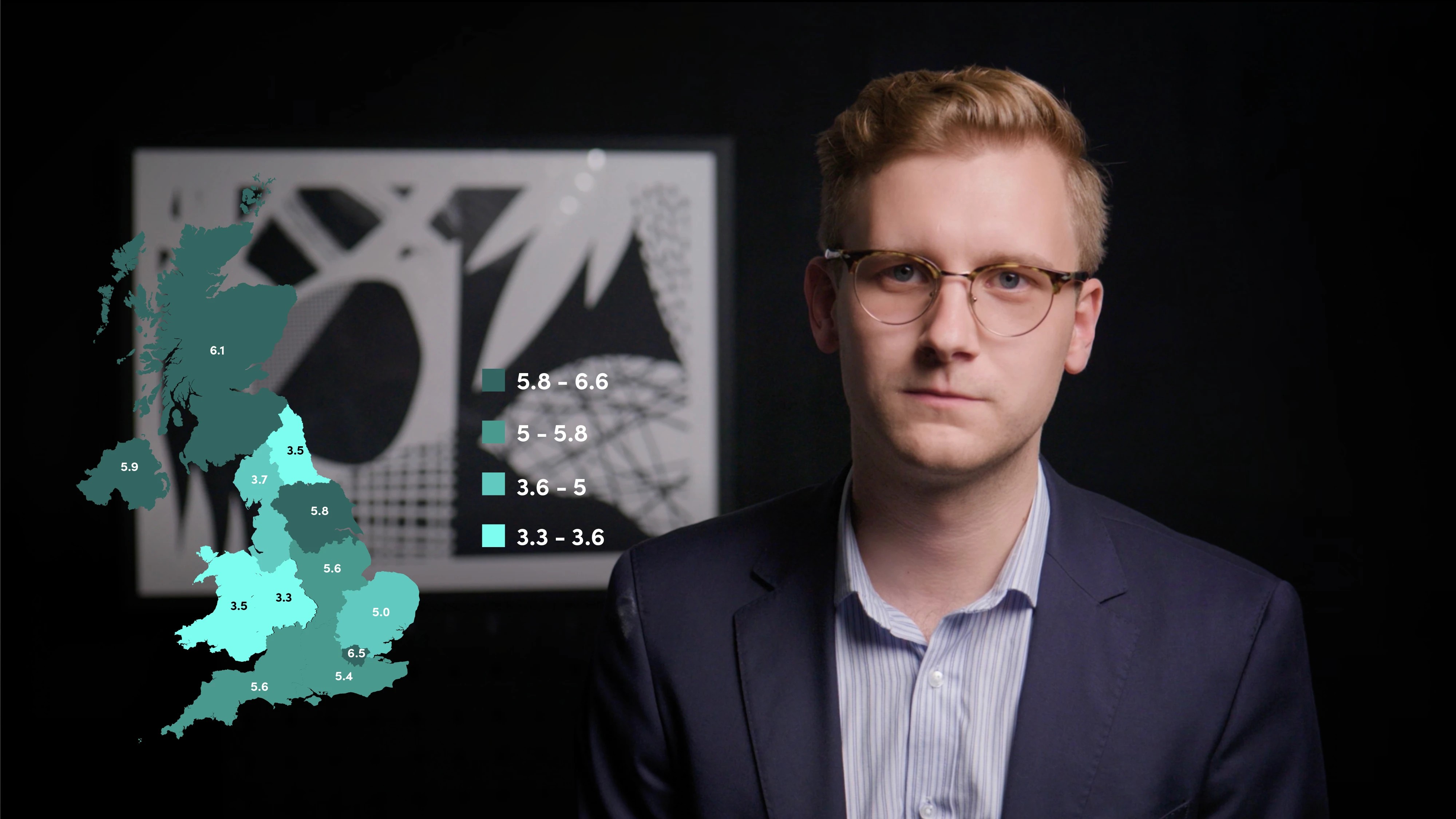
Tackling the Cost of Living Crisis

In this video, Max discusses the cost-of-living crisis currently enveloping the UK. He examines its impact on households as well as the overall economy.

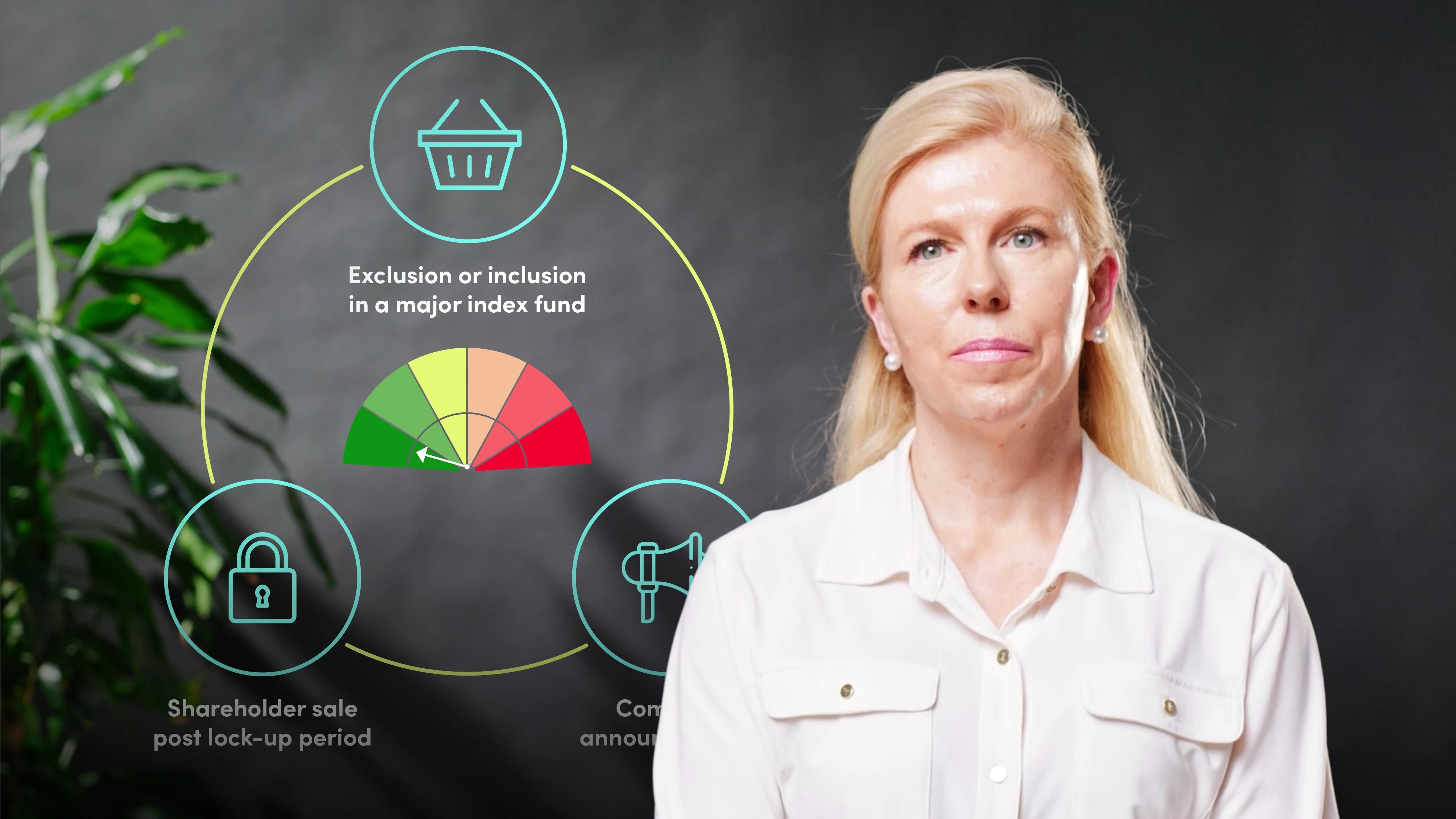
CSR and Sustainability in Financial Services

In the first video of this two-part video series, Elisa introduces us to sustainability. She begins by looking at the difference between sustainability and corporate social responsibility, two terms that can be easily confused.

More featured content

Book a demo

Ready to get started?

Featured Pathways

More pathways

Banking Essentials - Part I

This pathway will walk us through the basics of banks, starting with some of the different types and their main functions, then starting to look at the regulation faced by the banks, both before and after the Global Financial Crisis.

Greenwashing

Greenwashing is the act of distributing false information about something being more environmentally friendly than it actually is.

More pathways

Book a demo

Ready to get started?

Our Platform

Expert led content

+1,000 expert presented, on-demand video modules

Learning analytics

Keep track of learning progress with our comprehensive data

Interactive learning

Engage with our video hotspots and knowledge check-ins

Testing & certification

Gain CPD / CPE credits and professional certification

Managed learning

Build, scale and manage your organisation’s learning

Integrations

Connect Finance Unlocked to your current platform

Featured Content

More featured content

Tackling the Cost of Living Crisis

In this video, Max discusses the cost-of-living crisis currently enveloping the UK. He examines its impact on households as well as the overall economy.

CSR and Sustainability in Financial Services

In the first video of this two-part video series, Elisa introduces us to sustainability. She begins by looking at the difference between sustainability and corporate social responsibility, two terms that can be easily confused.

More featured content

Book a demo

Ready to get started?

Book a demo

Ready to get started?

Keeping the Economic System Stable

Keeping the Economic System Stable

Prasad Gollakota

20 years: Capital markets & banking

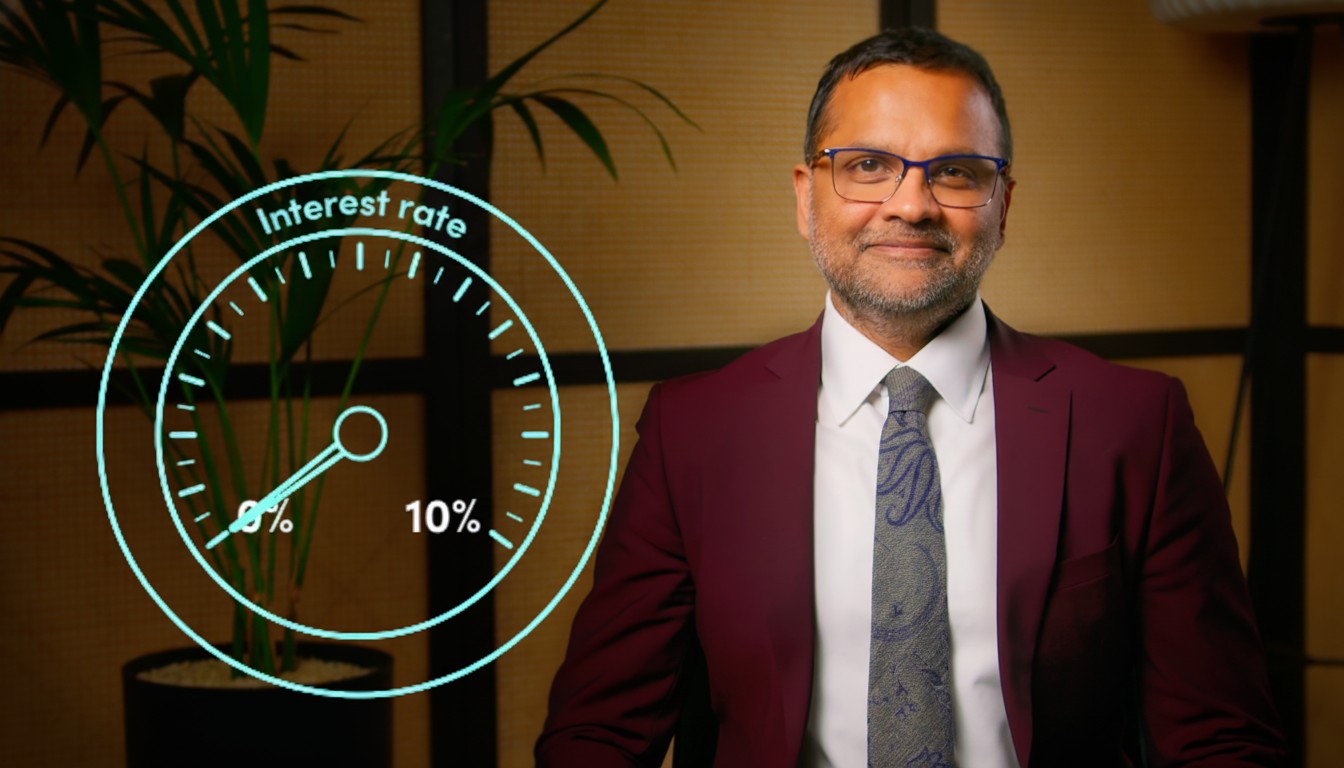
Economic downturns trigger intervention. In this video, Prasad Gollakota explores how policy stabilises crises, the trade-offs it creates, and how repeated support can quietly build new risks in the system.

Economic downturns trigger intervention. In this video, Prasad Gollakota explores how policy stabilises crises, the trade-offs it creates, and how repeated support can quietly build new risks in the system.

Subscribe to watch

Access this and all of the content on our platform by signing up for a 7-day free trial.

Keeping the Economic System Stable

12 mins 35 secs

Key learning objectives:

  • Understand how monetary and fiscal policy are used to stabilise the economy during downturns

  • Recognise the trade-offs and unintended consequences of policy intervention

  • Identify how repeated intervention can create new systemic risks

  • Understand how to interpret economic signals and cycles to support better decision-making

Overview:

Economic downturns trigger policy intervention aimed at restoring confidence and stabilising the financial system. Central banks and governments use monetary policy, fiscal support, and guarantees to sustain the economy, but these actions often introduce new risks. Over time, repeated intervention can lead to higher debt, inequality, and moral hazard, increasing long-term fragility. Understanding how cycles reset, how policy shapes outcomes, and how risks evolve is essential. Sustainable growth ultimately depends on balancing intervention with necessary adjustment and maintaining a focus on productivity.

Subscribe to watch

Access this and all of the content on our platform by signing up for a 7-day free trial.

Summary
How do governments and central banks stabilise the economy during a crisis?
Policymakers intervene through three primary channels. Monetary policy lowers interest rates and injects liquidity to support lending. Fiscal policy increases government spending or reduces taxes to offset declining private demand. In parallel, financial system guarantees, such as liquidity provision or bank support, are used to restore confidence. These measures aim not only to stabilise markets but also to rebuild trust, which is essential for economic recovery.

What are the unintended consequences of economic intervention?
While intervention can prevent systemic collapse, it often shifts risk rather than eliminating it. Public debt increases, central bank balance sheets expand, and market discipline can weaken. Prolonged support may allow inefficient firms to survive, inflate asset prices, and widen inequality. Over time, these effects can distort incentives and create structural imbalances that make the system more vulnerable to future shocks.

How does repeated intervention create new economic fragilities?
When markets come to expect policy support, behaviour changes. This creates moral hazard, where investors and institutions take on greater risk, assuming they will be protected. Persistent low interest rates encourage excessive borrowing, while accumulated public debt constrains future policy flexibility. At a global level, these dynamics can also create spillover effects, particularly in emerging markets, increasing instability across the broader system.

How can we read economic cycles and make better decisions?
Understanding cycles requires focusing on underlying drivers rather than short-term narratives. Indicators such as credit growth relative to GDP, asset price valuations, wage trends, and the allocation of investment provide insight into whether growth is sustainable. Recognising when optimism is driven by productivity versus leverage, or when fear creates undervaluation, enables more balanced decision-making. Ultimately, adapting to cycles depends on observing patterns, questioning assumptions, and maintaining discipline.

Subscribe to watch

Access this and all of the content on our platform by signing up for a 7-day free trial.

Prasad Gollakota

Prasad Gollakota

Prasad has spent 20 years working in financial services, where he spent the majority of his time at UBS, with his last role there being Managing Director within the combined Debt and Equity capital markets business. Before joining xUnlocked, Prasad worked at an Infrastructure and Renewables advisory business, where he delivered projects such as financing the largest operational solar farm in Australia. Prasad is Chief Content Officer at xUnlocked, a B Corp best known for its flagship learning platform 'Sustainability Unlocked', serving global clients that include Santander, Airbus and the London Stock Exchange.

There are no available Videos from "Prasad Gollakota"