





Featured Pathways

More pathways

Banking Essentials - Part I

This pathway will walk us through the basics of banks, starting with some of the different types and their main functions, then starting to look at the regulation faced by the banks, both before and after the Global Financial Crisis.

Greenwashing

Greenwashing is the act of distributing false information about something being more environmentally friendly than it actually is.

More pathways

Book a demo

Ready to get started?

Plans & Membership

Our Platform

Expert led content

+1,000 expert presented, on-demand video modules

Learning analytics

Keep track of learning progress with our comprehensive data

Interactive learning

Engage with our video hotspots and knowledge check-ins

Testing & certification

Gain CPD / CPE credits and professional certification

Managed learning

Build, scale and manage your organisation’s learning

Integrations

Connect Finance Unlocked to your current platform

Featured Content

More featured content

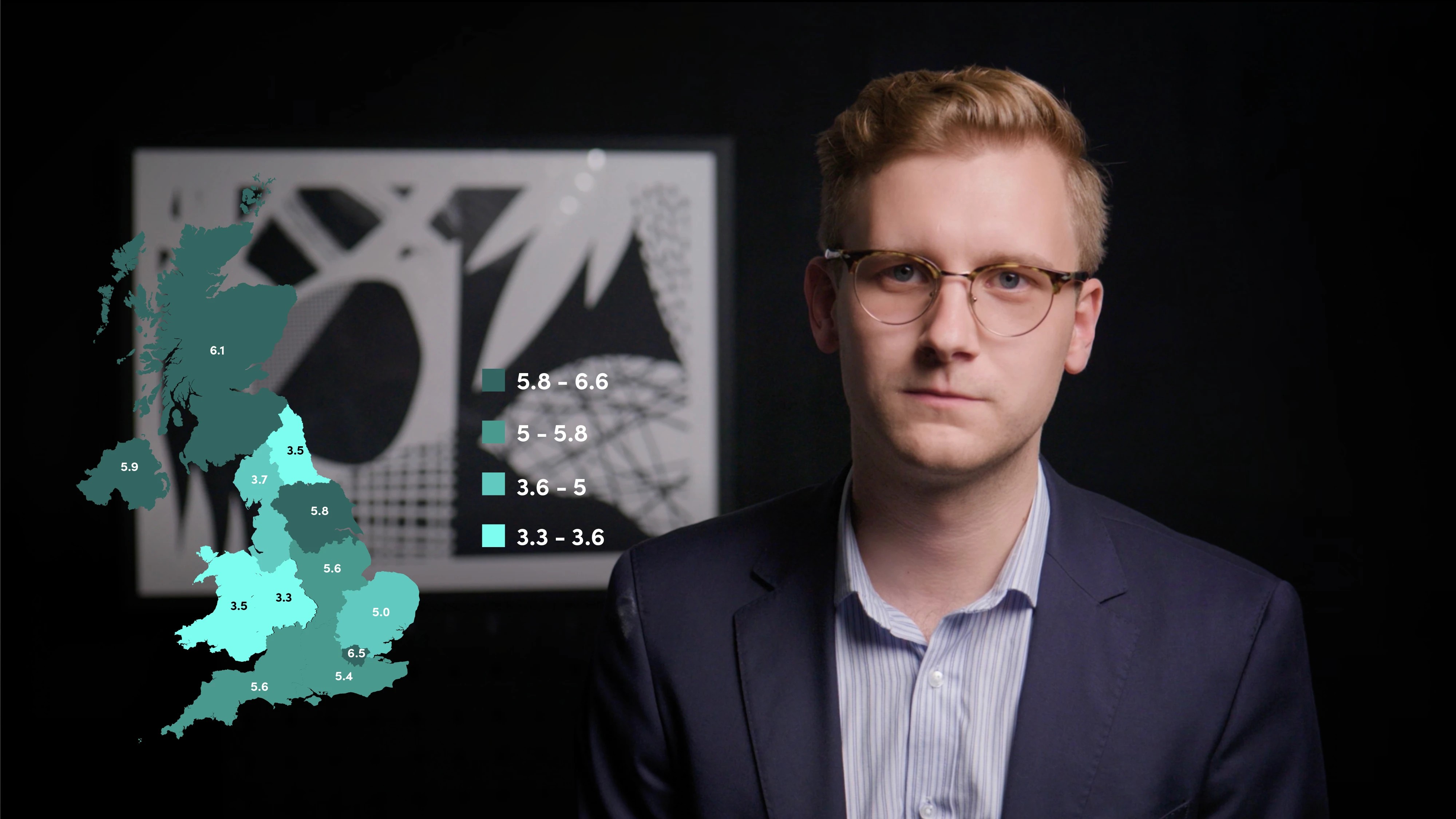
Tackling the Cost of Living Crisis

In this video, Max discusses the cost-of-living crisis currently enveloping the UK. He examines its impact on households as well as the overall economy.

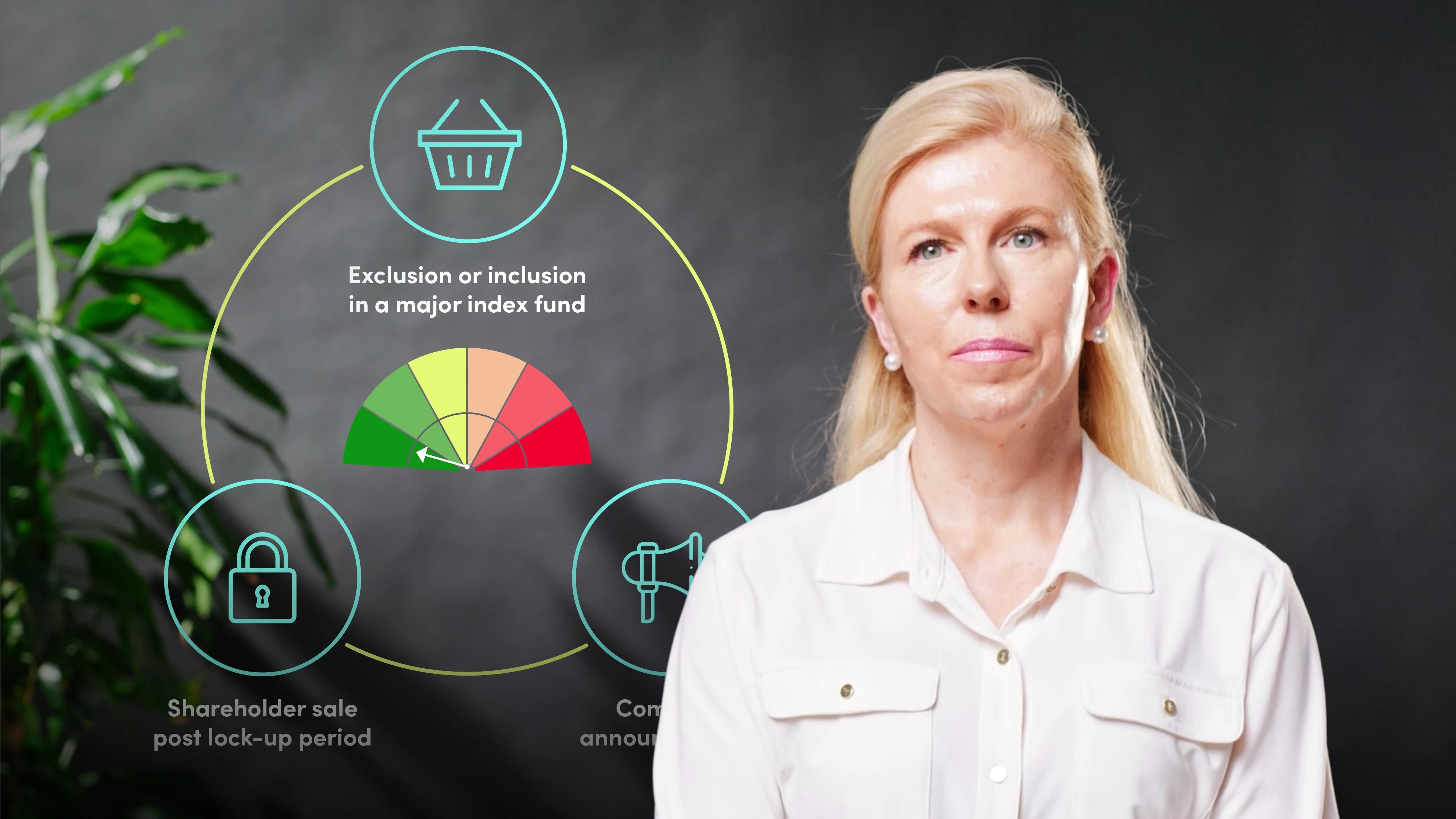
Introduction to Corporate Valuation

In this video on Corporate Valuation, Sarah Martin covers the basic background to corporate valuations, who uses them, why they are needed and also outlines the factors that impact valuation.

More featured content

Book a demo

Ready to get started?

Featured Pathways

More pathways

Banking Essentials - Part I

This pathway will walk us through the basics of banks, starting with some of the different types and their main functions, then starting to look at the regulation faced by the banks, both before and after the Global Financial Crisis.

Greenwashing

Greenwashing is the act of distributing false information about something being more environmentally friendly than it actually is.

More pathways

Book a demo

Ready to get started?

Plans & Membership

Our Platform

Expert led content

+1,000 expert presented, on-demand video modules

Learning analytics

Keep track of learning progress with our comprehensive data

Interactive learning

Engage with our video hotspots and knowledge check-ins

Testing & certification

Gain CPD / CPE credits and professional certification

Managed learning

Build, scale and manage your organisation’s learning

Integrations

Connect Finance Unlocked to your current platform

Featured Content

More featured content

Tackling the Cost of Living Crisis

In this video, Max discusses the cost-of-living crisis currently enveloping the UK. He examines its impact on households as well as the overall economy.

Introduction to Corporate Valuation

In this video on Corporate Valuation, Sarah Martin covers the basic background to corporate valuations, who uses them, why they are needed and also outlines the factors that impact valuation.

More featured content

Book a demo

Ready to get started?

Book a demo

Ready to get started?

What are Digital Assets?

What are Digital Assets?

Learning Adviser

xUnlocked Learning Team

Understand the main types of digital asset, how DLT works, and how wallets, keys and tokenisation support digital ownership and transfer.

Understand the main types of digital asset, how DLT works, and how wallets, keys and tokenisation support digital ownership and transfer.

Subscribe to watch

Access this and all of the content on our platform by signing up for a 7-day free trial.

What are Digital Assets?

2 mins 58 secs

Key learning objectives:

  • Distinguish between the main types of digital asset

  • Explain the basic principles of DLT

  • Understand the role of wallets and cryptographic keys

  • Explain tokenisation and its potential benefits

Overview:

Digital assets extend beyond cryptoassets to include stablecoins, tokenised deposits, CBDCs and tokenised traditional assets. Although these instruments can use similar technology, they can represent very different claims and rights. Distributed ledger technology provides a different way to record and transfer value, while wallets and cryptographic keys enable users to interact with those networks. Tokenisation can change how financial assets are issued, recorded, transferred and settled, without necessarily changing their underlying economic characteristics. This helps separate technology from underlying value.

Subscribe to watch

Access this and all of the content on our platform by signing up for a 7-day free trial.

Summary
What are digital assets?
Digital assets can include cryptoassets, stablecoins, tokenised deposits, CBDCs and tokenised traditional assets. Similar technology can represent very different types of money, assets and financial claims.

What should you ask when assessing a digital asset?
Consider what it represents, who stands behind it and what rights the holder has. These characteristics often matter more than the technology itself.

How does DLT differ from traditional infrastructure?
Traditional financial institutions often maintain separate records that must be exchanged and reconciled. DLT enables authorised participants to maintain shared or synchronised records across a network.

What are wallets and cryptographic keys used for?
Wallets allow users to interact with digital-asset networks. Public addresses identify where assets can be sent, while private keys are used to authorise transactions.

What is tokenisation?
Tokenisation represents rights to an asset using digital tokens. It can change how an asset is issued, recorded, transferred and settled without necessarily changing its underlying economics.

Why might digital assets be useful?
Potential benefits include faster settlement, programmability, greater collateral mobility, wider operating hours and reduced reconciliation. These benefits depend on the design and adoption of the wider infrastructure.

Subscribe to watch

Access this and all of the content on our platform by signing up for a 7-day free trial.

There are no available Videos from "Learning Adviser"