




Featured Pathways

More pathways

Banking Essentials - Part I

This pathway will walk us through the basics of banks, starting with some of the different types and their main functions, then starting to look at the regulation faced by the banks, both before and after the Global Financial Crisis.

Greenwashing

Greenwashing is the act of distributing false information about something being more environmentally friendly than it actually is.

More pathways

Book a demo

Ready to get started?

Our Platform

Expert led content

+1,000 expert presented, on-demand video modules

Learning analytics

Keep track of learning progress with our comprehensive data

Interactive learning

Engage with our video hotspots and knowledge check-ins

Testing & certification

Gain CPD / CPE credits and professional certification

Managed learning

Build, scale and manage your organisation’s learning

Integrations

Connect Finance Unlocked to your current platform

Featured Content

More featured content

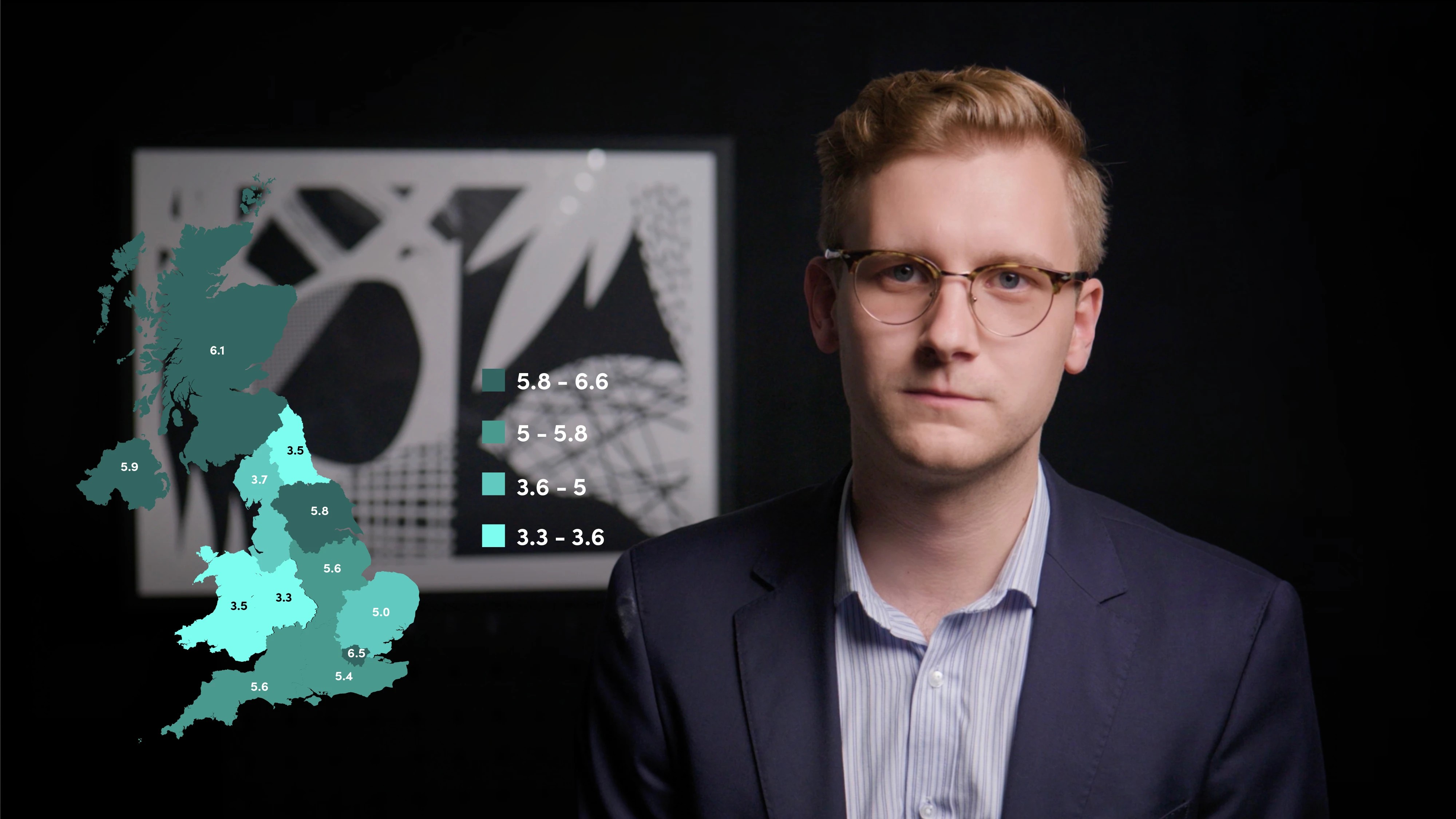
Tackling the Cost of Living Crisis

In this video, Max discusses the cost-of-living crisis currently enveloping the UK. He examines its impact on households as well as the overall economy.

CSR and Sustainability in Financial Services

In the first video of this two-part video series, Elisa introduces us to sustainability. She begins by looking at the difference between sustainability and corporate social responsibility, two terms that can be easily confused.

More featured content

Book a demo

Ready to get started?

Featured Pathways

More pathways

Banking Essentials - Part I

This pathway will walk us through the basics of banks, starting with some of the different types and their main functions, then starting to look at the regulation faced by the banks, both before and after the Global Financial Crisis.

Greenwashing

Greenwashing is the act of distributing false information about something being more environmentally friendly than it actually is.

More pathways

Book a demo

Ready to get started?

Our Platform

Expert led content

+1,000 expert presented, on-demand video modules

Learning analytics

Keep track of learning progress with our comprehensive data

Interactive learning

Engage with our video hotspots and knowledge check-ins

Testing & certification

Gain CPD / CPE credits and professional certification

Managed learning

Build, scale and manage your organisation’s learning

Integrations

Connect Finance Unlocked to your current platform

Featured Content

More featured content

Tackling the Cost of Living Crisis

In this video, Max discusses the cost-of-living crisis currently enveloping the UK. He examines its impact on households as well as the overall economy.

CSR and Sustainability in Financial Services

In the first video of this two-part video series, Elisa introduces us to sustainability. She begins by looking at the difference between sustainability and corporate social responsibility, two terms that can be easily confused.

More featured content

Book a demo

Ready to get started?

Book a demo

Ready to get started?

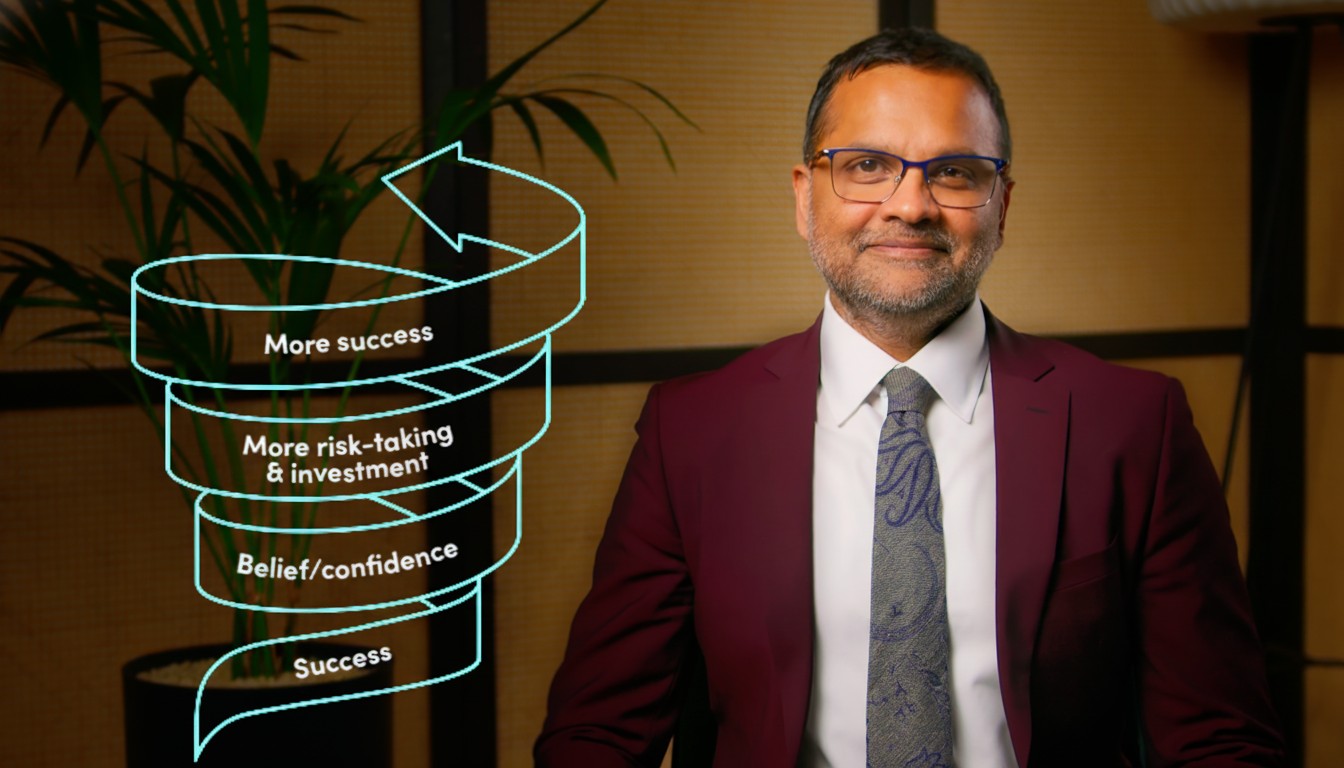
Why Economies Break

Why Economies Break

Prasad Gollakota

20 years: Capital markets & banking

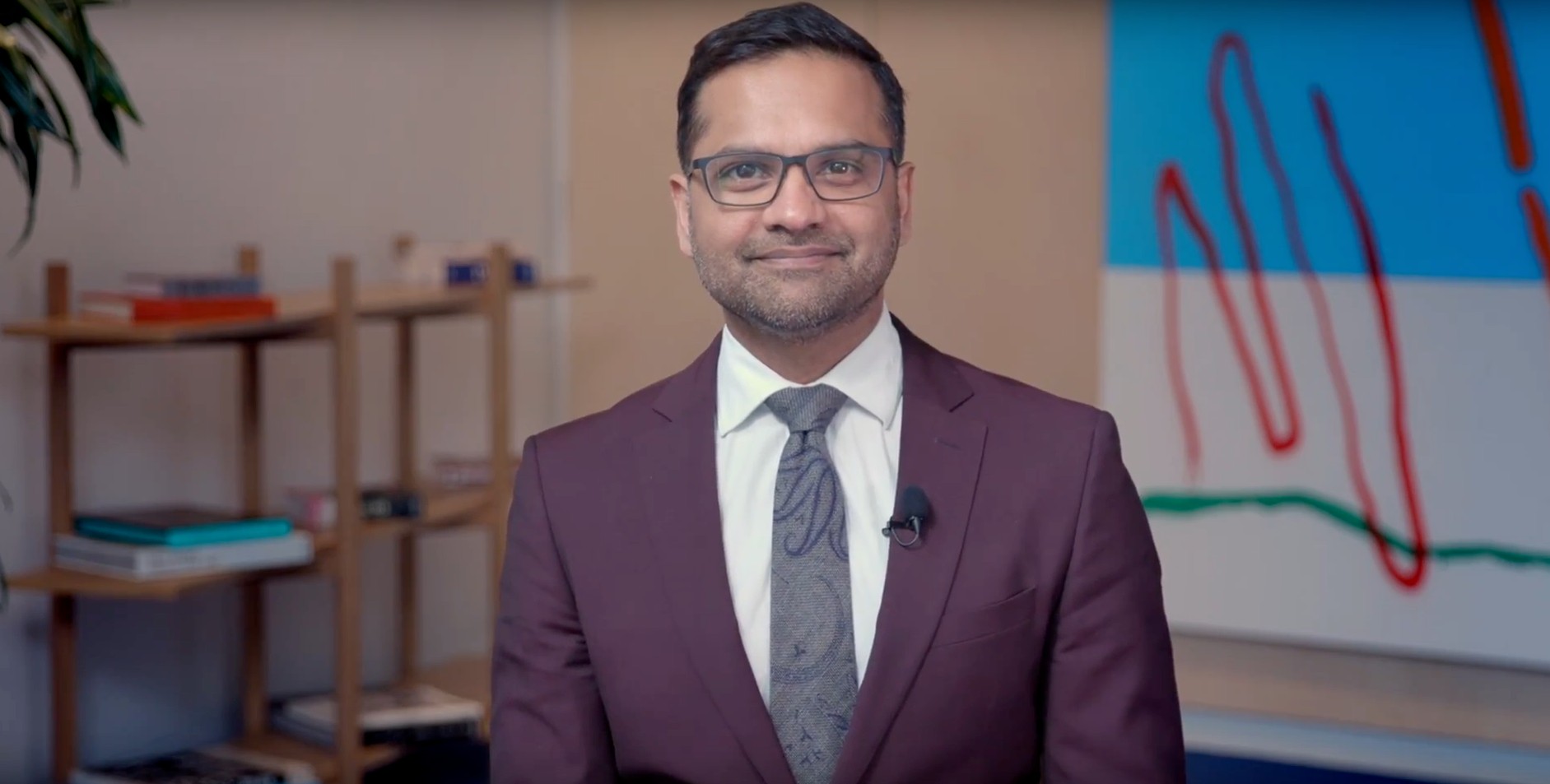
Economic growth isn’t linear. In this video, Prasad Gollakota explains why economies cycle through booms and busts, how trust and expectations drive expansion, and the warning signs, like rising debt and asset bubbles, that signal instability.

Economic growth isn’t linear. In this video, Prasad Gollakota explains why economies cycle through booms and busts, how trust and expectations drive expansion, and the warning signs, like rising debt and asset bubbles, that signal instability.

Subscribe to watch

Access this and all of the content on our platform by signing up for a 7-day free trial.
Why Economies Break

12 mins 3 secs

Key learning objectives:

  • Understand why economic growth occurs in cycles rather than steady trends

  • Recognise the role of expectations and trust in sustaining economic expansion

  • Identify key warning signs that indicate rising systemic risk

  • Understand how downturns develop and why they can accelerate rapidly

Overview:

Economic growth is inherently cyclical, driven by human behaviour, credit dynamics, and shifting expectations about the future. While credit supports expansion, it also introduces fragility when borrowing outpaces productive capacity. Periods of optimism can embed unrealistic assumptions around trust, stability, and responsible behaviour, increasing systemic risk. Warning signs, such as rising debt, asset bubbles, and financial complexity, often emerge before downturns. When confidence breaks, economic contraction can accelerate through behavioural responses and structural imbalances. Understanding these risks is critical to interpreting cycles and anticipating instability within the economic system.

Subscribe to watch

Access this and all of the content on our platform by signing up for a 7-day free trial.

Summary
Why do economies move in cycles rather than grow steadily?
Economic cycles are driven by human behaviour. During periods of optimism, confidence encourages borrowing, investment, and spending, which fuels expansion. Over time, this can lead to imbalances as credit grows faster than income. When confidence weakens, behaviour reverses, spending slows, investment declines, and growth contracts. These cycles are not anomalies but a natural consequence of collective decision-making, shaped by expectations, incentives, and emotional responses to changing economic conditions.

What role do expectations about the future play in economic stability?
Most economic activity, particularly credit, is based on assumptions about future income and growth. Households, businesses, and governments borrow with the expectation that tomorrow will support repayment. During prolonged expansions, this expectation becomes embedded and often unquestioned. However, when future outcomes diverge from these assumptions, the system becomes vulnerable. Overconfidence in continued growth can lead to excessive risk-taking, misallocation of capital, and ultimately a breakdown in trust when expectations are not met.

What warning signs indicate that an economic cycle is becoming unstable?
Imbalances typically emerge gradually and can be observed through key indicators. These include debt levels rising faster than income or GDP, asset prices becoming detached from fundamentals, increased reliance on borrowing to service existing debt, and rapid growth in complex financial products. Rising inequality can also signal structural imbalance. While each indicator alone may not signal crisis, their combination often reflects a system under strain, where risk is accumulating beneath the surface.

What happens when the economic cycle turns and confidence breaks?
When confidence declines, the effects can accelerate quickly. Asset prices fall, but debt obligations remain fixed, creating financial strain and, in some cases, insolvency. Behaviour becomes procyclical: investors sell, consumers reduce spending, and businesses delay investment. This reinforces the downturn. As trust, stability, and responsible behaviour weaken, credit availability contracts, and economic activity slows further. At this stage, intervention by governments and central banks is often required to restore confidence and stabilise the system.

Subscribe to watch

Access this and all of the content on our platform by signing up for a 7-day free trial.

Prasad Gollakota

Prasad Gollakota

Prasad has spent 20 years working in financial services, where he spent the majority of his time at UBS, with his last role there being Managing Director within the combined Debt and Equity capital markets business. Before joining xUnlocked, Prasad worked at an Infrastructure and Renewables advisory business, where he delivered projects such as financing the largest operational solar farm in Australia. Prasad is Chief Content Officer at xUnlocked, a B Corp best known for its flagship learning platform 'Sustainability Unlocked', serving global clients that include Santander, Airbus and the London Stock Exchange.

There are no available Videos from "Prasad Gollakota"