




Featured Pathways

More pathways

Banking Essentials - Part I

This pathway will walk us through the basics of banks, starting with some of the different types and their main functions, then starting to look at the regulation faced by the banks, both before and after the Global Financial Crisis.

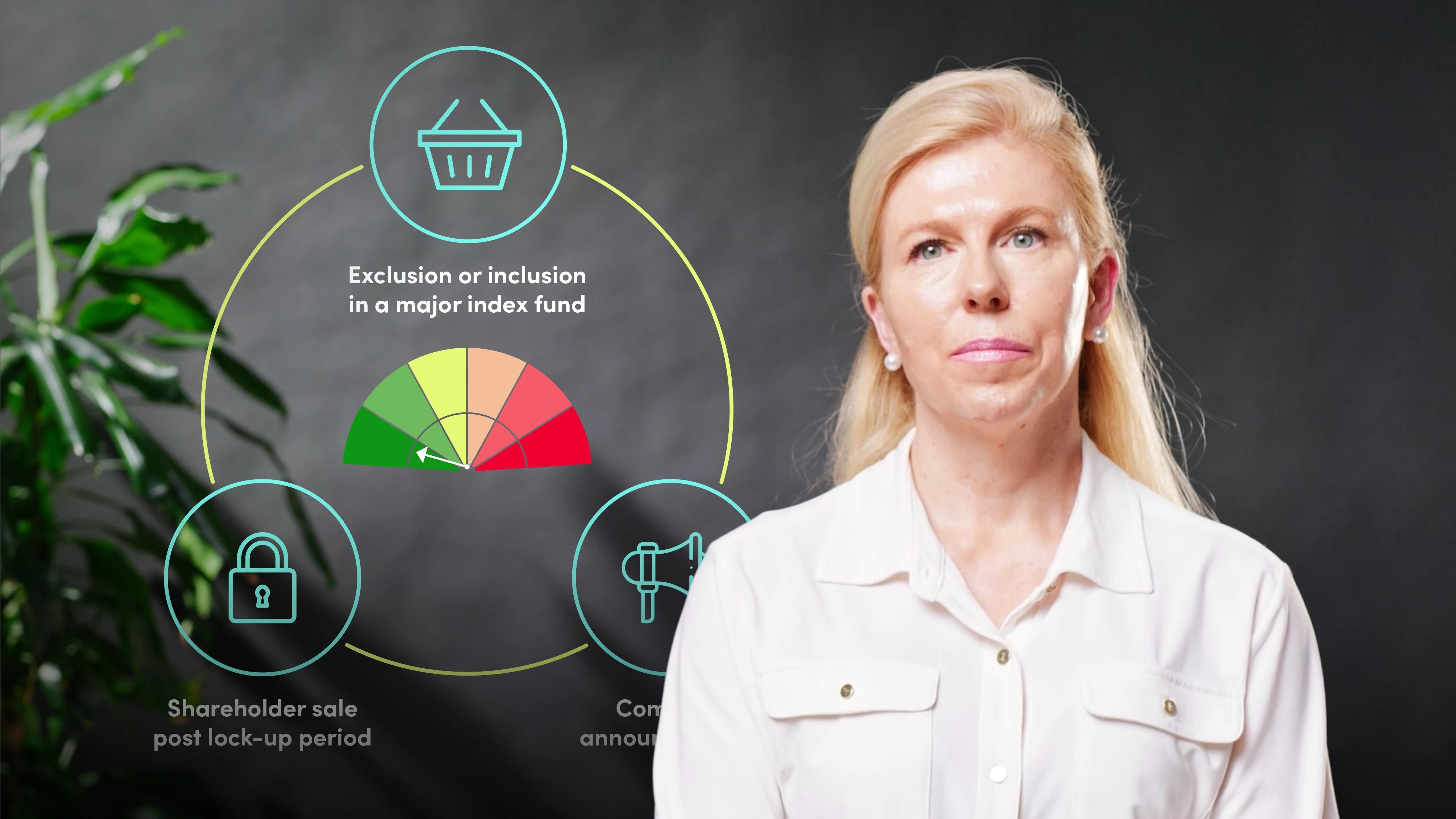
Greenwashing

Greenwashing is the act of distributing false information about something being more environmentally friendly than it actually is.

More pathways

Book a demo

Ready to get started?

Our Platform

Expert led content

+1,000 expert presented, on-demand video modules

Learning analytics

Keep track of learning progress with our comprehensive data

Interactive learning

Engage with our video hotspots and knowledge check-ins

Testing & certification

Gain CPD / CPE credits and professional certification

Managed learning

Build, scale and manage your organisation’s learning

Integrations

Connect Finance Unlocked to your current platform

Featured Content

More featured content

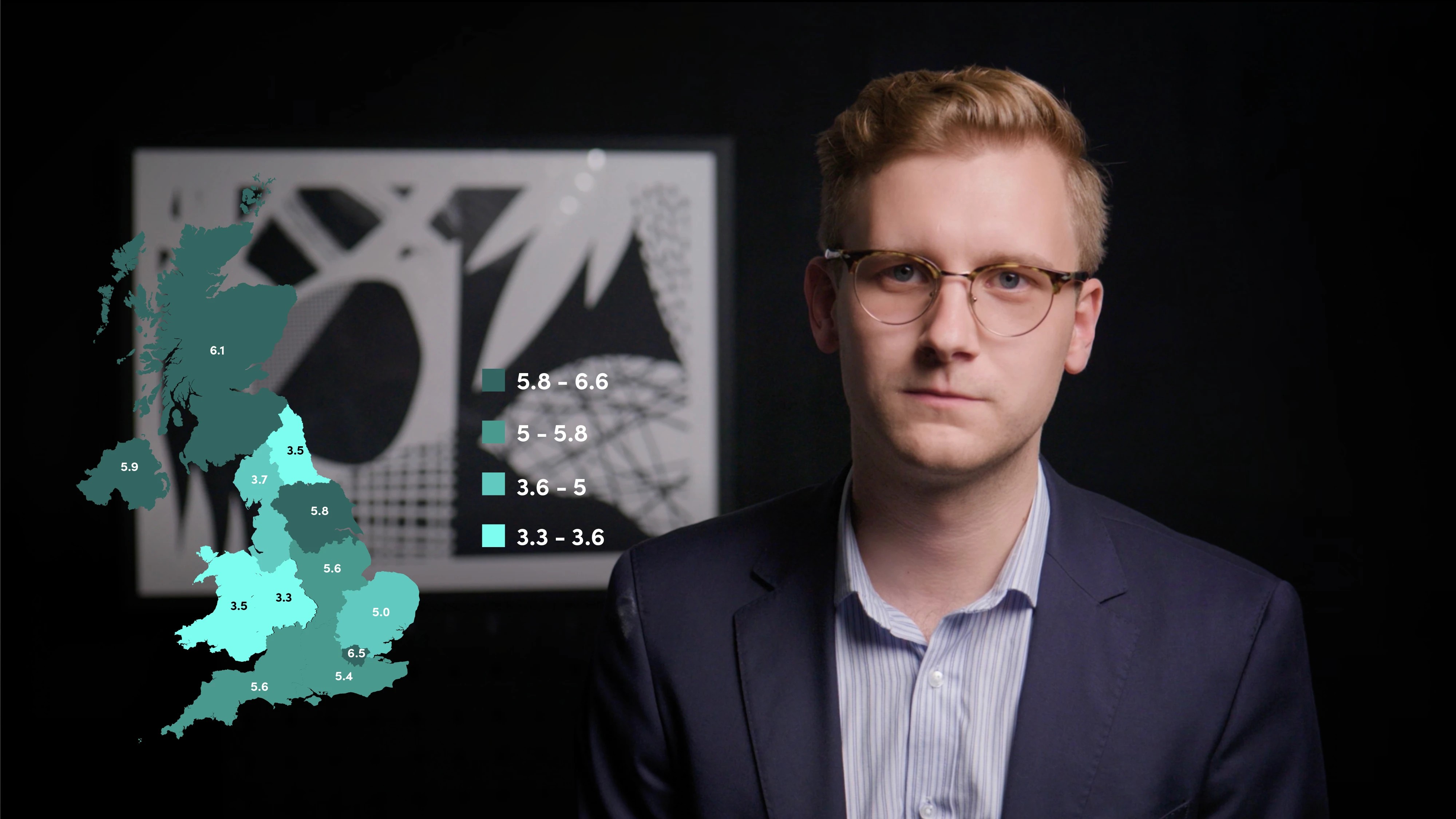
Tackling the Cost of Living Crisis

In this video, Max discusses the cost-of-living crisis currently enveloping the UK. He examines its impact on households as well as the overall economy.

CSR and Sustainability in Financial Services

In the first video of this two-part video series, Elisa introduces us to sustainability. She begins by looking at the difference between sustainability and corporate social responsibility, two terms that can be easily confused.

More featured content

Book a demo

Ready to get started?

Featured Pathways

More pathways

Banking Essentials - Part I

This pathway will walk us through the basics of banks, starting with some of the different types and their main functions, then starting to look at the regulation faced by the banks, both before and after the Global Financial Crisis.

Greenwashing

Greenwashing is the act of distributing false information about something being more environmentally friendly than it actually is.

More pathways

Book a demo

Ready to get started?

Our Platform

Expert led content

+1,000 expert presented, on-demand video modules

Learning analytics

Keep track of learning progress with our comprehensive data

Interactive learning

Engage with our video hotspots and knowledge check-ins

Testing & certification

Gain CPD / CPE credits and professional certification

Managed learning

Build, scale and manage your organisation’s learning

Integrations

Connect Finance Unlocked to your current platform

Featured Content

More featured content

Tackling the Cost of Living Crisis

In this video, Max discusses the cost-of-living crisis currently enveloping the UK. He examines its impact on households as well as the overall economy.

CSR and Sustainability in Financial Services

In the first video of this two-part video series, Elisa introduces us to sustainability. She begins by looking at the difference between sustainability and corporate social responsibility, two terms that can be easily confused.

More featured content

Book a demo

Ready to get started?

Book a demo

Ready to get started?

A Structured Approach to Risk Assessment

A Structured Approach to Risk Assessment

Hans-Kristian Bryn

35 years: Strategic risk management and governance

Join Hans-Kristian Bryn and learn how to assess and prioritise risks by combining qualitative judgment with data-driven analysis. Explore how scenario planning, risk quantification and AI-enabled insight support smarter decisions and stronger strategic resilience.

Join Hans-Kristian Bryn and learn how to assess and prioritise risks by combining qualitative judgment with data-driven analysis. Explore how scenario planning, risk quantification and AI-enabled insight support smarter decisions and stronger strategic resilience.

Subscribe to watch

Access this and all of the content on our platform by signing up for a 7-day free trial.

A Structured Approach to Risk Assessment

13 mins 3 secs

Key learning objectives:

  • Understand the purpose of risk assessment in linking risk understanding to business strategy

  • Understand the differences between qualitative and quantitative assessment techniques and their relative strengths

  • Outline how risk prioritisation and transition analysis inform decision-making

  • Identify practical ways to embed risk assessment into ongoing business management

Overview:

Risk assessment builds on risk identification by quantifying how each risk could affect strategy, performance, and value creation. It involves choosing the right balance between qualitative and quantitative methods, ranging from simple impact assessments and sensitivity analyses to advanced scenario planning and model-based quantification. Effective assessment enables management to prioritise responses, allocate resources, and integrate risk-return thinking into decision-making. AI now enhances data collection and pattern recognition, but human judgment remains essential for interpretation. When embedded into business reviews, capital allocation, and reward structures, risk assessment becomes a cornerstone of strategic resilience and organisational maturity.

Subscribe to watch

Access this and all of the content on our platform by signing up for a 7-day free trial.

Summary
What is the main purpose of risk assessment?
The aim of risk assessment is to evaluate the magnitude and distribution of potential risks, how likely they are to occur, and how severely they could affect strategic objectives. By quantifying uncertainty, organisations gain insight into which risks matter most, how they interact, and how they can be managed or mitigated. The outcome must be actionable, guiding decision-making rather than producing abstract analysis.

How do qualitative and quantitative approaches differ?
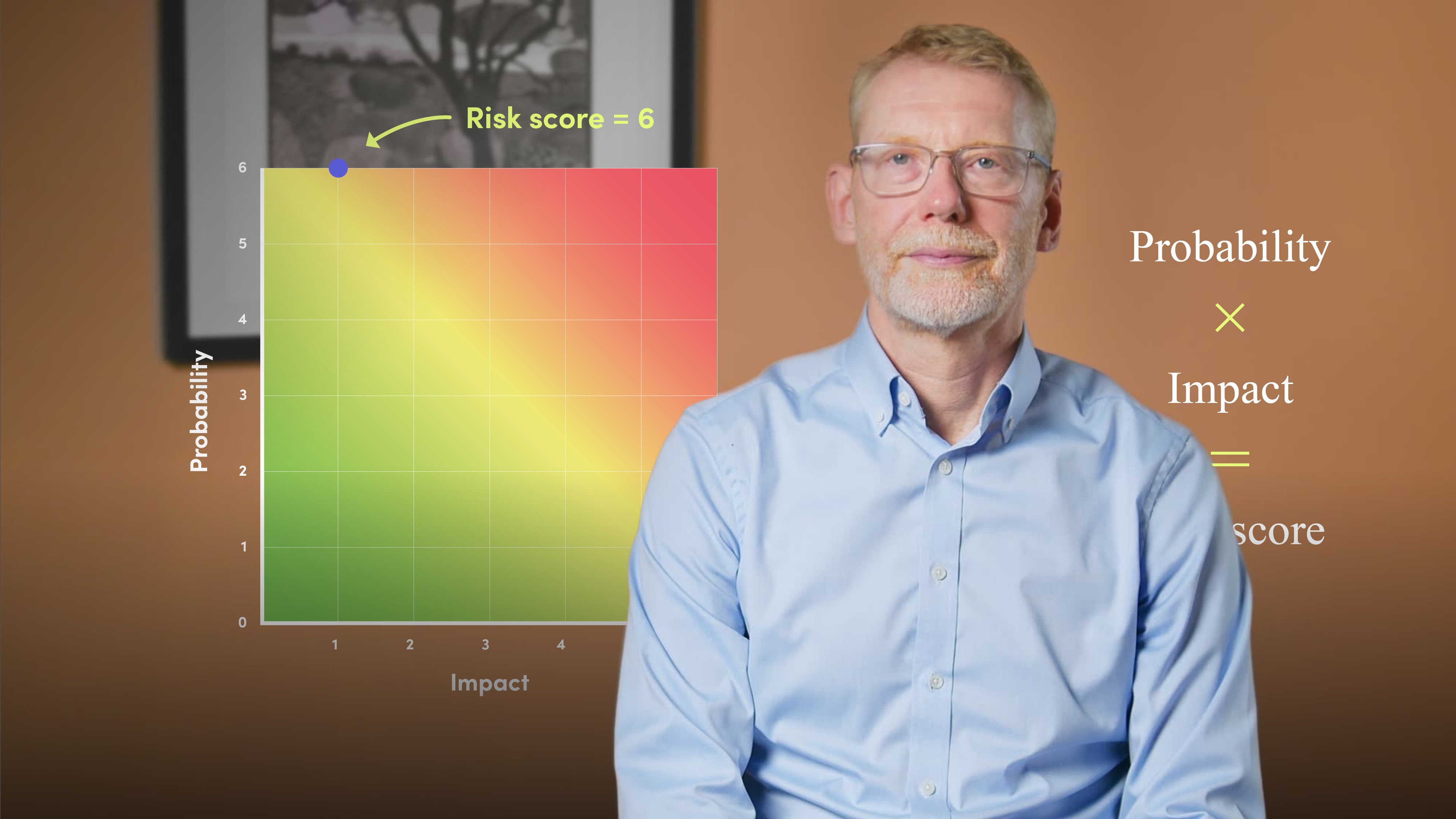
Qualitative methods, such as impact assessments or heat maps, rely on judgment to rate probability and impact. They are simple and widely applicable but can oversimplify complex distributions. Quantitative methods, such as sensitivity analysis, scenario modelling, and Monte Carlo simulations, use data to estimate probabilities and ranges of outcomes. These models provide richer insights but require robust data, technical expertise, and management understanding. The best approach depends on organisational maturity, data quality, and user capability.

How do scenario planning and risk quantification improve insight?
Scenario planning tests business resilience under alternative conditions, best, expected, and worst cases, without assigning probabilities. It highlights the range of potential outcomes and helps prepare flexible responses. Risk quantification takes this further by modelling risks statistically, often combining multiple factors to measure overall exposure. Techniques such as Cashflow@Risk, NPV@Risk, and Profit@Risk quantify potential deviations in performance. AI supports these processes by aggregating internal and external data and generating probability curves, though transparency and interpretability must remain priorities.

What are risk transition channels and why do they matter?
Risk transition channels describe how risks evolve or cascade from one area to another, such as operational disruption creating financial strain or a cyberattack eroding reputation and market value. Mapping these pathways helps organisations anticipate secondary and systemic effects, allowing for more coordinated mitigation. Understanding interconnections between risks prevents siloed management and ensures strategic priorities reflect real exposure.

How should organisations use and embed risk assessments?
Risk assessments should guide capital allocation, investment prioritisation, and performance monitoring. When integrated into regular business reviews and planning cycles, they reinforce a culture where risk-return thinking shapes decisions. Consistent templates, clear governance, and alignment with performance and reward structures help ensure results translate into behaviour. Over time, this integration turns risk management from a compliance task into a value-creating capability embedded in the organisation’s DNA.

Subscribe to watch

Access this and all of the content on our platform by signing up for a 7-day free trial.

Hans-Kristian Bryn

Hans-Kristian Bryn

Hans-Kristian Bryn is a strategic risk and governance advisor with over 20 years of partner level advisory experience. He is currently a senior advisor to Boards and ExCo's listed on the FTSE 100 & FTSE 250 on risk management and governance related matters. Prior to private advisory, Hans was a partner at firms such as Oliver Wyman and PwC and worked across a wide range of sectors.

There are no available Videos from "Hans-Kristian Bryn"